Thursday, October 10, 2024

The Essential Role of Aeration in Lawn Care


When it comes to maintaining a vibrant and healthy lawn, understanding the significance of aeration is crucial. Lawn care encompasses various practices, and aeration is a key component that can make a world of difference, especially for lawns that experience high traffic. So, what exactly is aeration, and why should you incorporate it into your regular lawn maintenance routine? Let’s dive in!

Understanding Aeration in Lawn Care

Aeration involves creating holes in the soil to facilitate the movement of air, nutrients, and water to the roots of the grass. By aerating your lawn, you promote healthier growth and enhance the overall appearance of your yard.

As a result, well-aerated lawns not only look lush and green but can also increase the value of your property. Furthermore, if the roots of your grass are healthy, they are better equipped to withstand environmental stressors, ensuring a beautiful appearance year-round.

Lawn Care: Methods of Aeration

There are two primary methods of aeration: turf aeration and core aeration.

Turf Aeration

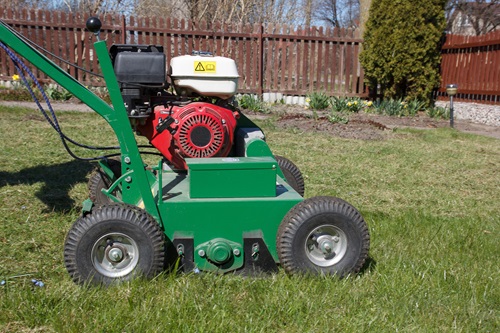
Turf aeration uses tools such as spike aerators, aeration shoes, and hand aerators to create holes in the soil. This method is suitable for low-traffic areas where compacted soil needs a boost. However, it’s important to note that turf aeration may not be ideal for high-traffic lawns, as it can exacerbate compaction issues.

Core Aeration

In contrast, core aeration is often more effective. This technique removes plugs of soil from the ground, allowing for improved air and water circulation. By creating hollow spaces, core aeration opens pathways for nutrients to reach deeper roots, promoting a healthier lawn overall. Consequently, this method is particularly beneficial for high-traffic areas.

aeration-1-300x200.jpg

lawn care in Conway SC

Benefits of Aeration in Lawn Care

Aeration offers numerous benefits that significantly enhance the health of your lawn:

Improved Drainage

Aeration helps enhance drainage, which reduces water runoff that could otherwise lead to moss growth. When soil is compacted, water cannot seep in effectively; thus, regular aeration ensures that water reaches the roots, allowing your grass to thrive.

Reduced Soil Compaction

By addressing soil compaction—often caused by foot traffic—your lawn will benefit from better air and water circulation. This is crucial for maintaining lush grass that can withstand various environmental challenges.

Lawn Care and Thatch Control

Additionally, aeration in Conway SC assists in controlling thatch development, a layer of dead grass and organic matter that can suffocate your lawn. By breaking up thatch, aeration prevents buildup, promoting a healthier environment for grass roots to flourish.

Enhanced Turf Health

Regular aeration boosts turf health and helps to prevent pests and diseases that can harm your lawn. For best results, you should aerate a no-traffic lawn every other year. For medium to high traffic lawns, consider aerating twice a year to maintain optimal health.

DIY Aeration vs. Hiring Professionals

You can certainly aerate your lawn yourself, but hiring a professional lawn care service in Conway SC can ensure that the job is done effectively. Regardless of the method you choose, remember that the benefits of aeration will significantly contribute to your overall lawn care success.

Hire Lawn Care Pros

If you’re looking to achieve a vibrant and healthy lawn, consider making aeration a regular part of your lawn care routine. With the right approach and working with Conway Lawn Care Service, you can ensure that your lawn remains lush and beautiful for years to come.

Want to learn more about effective lawn care practices? Call Conway Lawn Care Service and we’ll guide you through the process!

Like our Facebook page for more information.

Conway Lawn Care Service
Conway, SC 29526
843-353-2259
http://conwaylawncareservices.com

Tuesday, October 8, 2024

Essential Tips for Fertilizing Your New Lawn


If you’re eager to establish a beautiful new lawn, fertilizing is crucial. Whether you’re seeding a fresh yard, laying down sod, or overseeding an existing area, giving your new grass every opportunity to thrive is essential. Fertilizing plays a vital role in this process because it provides essential nutrients that help your new seeds develop a robust root system. So, what type of fertilizer should you use, and how can you apply it effectively? Let’s explore some helpful tips on fertilizing your new lawn to set you up for success.

Choosing the Right Fertilizer for Your New Grass

When it comes to fertilizing your lawn, not all products are created equal. Therefore, the first step in achieving a vibrant lawn is to perform a soil test. This simple process allows you to identify nutrient deficiencies and determine what your soil needs. Many garden centers offer DIY soil testing kits that are user-friendly and effective.

For most homeowners, a starter fertilizer is the best choice for new grass. These fertilizers contain a balanced mix of nitrogen, phosphorus, and potassium (commonly referred to as NPK), along with essential micronutrients. Notably, starter fertilizers typically have higher-than-average amounts of phosphorus, which is crucial for root development. When choosing a fertilizer, look for an NPK ratio with the middle number—representing phosphorus—being the highest.

Timing Your Fertilizing Application

Timing plays a significant role in the success of your new lawn. If you are planting cool-season grass, such as Kentucky bluegrass or fescue, the optimal time for seeding and fertilizing is in the fall. However, if you live in a warmer climate and are seeding warm-season grass like Bermuda or Zoysia, aim for spring or early summer.

When it comes to adding fertilizer, you can choose to fertilize either before or after planting your new grass seed. Experts generally recommend applying fertilizer before seeding to ensure that the nutrients are available to the seeds right from the start. This proactive approach reduces the risk of fertilizer burn and promotes healthier growth. For sod installations, always fertilize the soil beforehand.

fertilizing-in-Conway-SC-1-300x200.jpg

fertilizing in Conway SC

Effective Techniques for Fertilizing Your Lawn

Now that you’re ready to use your new grass fertilizer, start by prepping your lawn to create the ideal conditions for fertilizing in Conway SC. Begin by removing any debris, such as leaves, rocks, and twigs. Next, loosen the top layer of soil using a rake or rototiller. If you’re applying fertilizer first, this is the perfect time to do so.

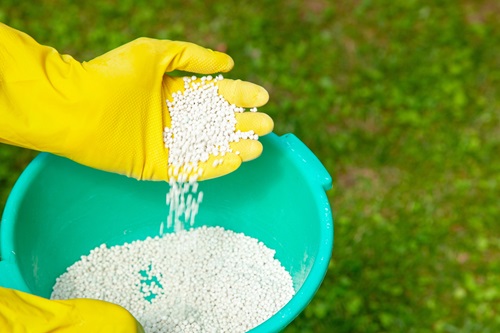
Fertilizers typically come in two forms: granules and liquids. If you’re using granules, spread them evenly across your lawn with a drop or broadcast spreader, or even by hand (just remember to wear gloves!). For liquid fertilizers, a hose sprayer works well for easy application. Regardless of the type, make sure to cover your lawn in overlapping stripes. A good rule of thumb is to apply 0.5 to 1 pound of nitrogen for every 1,000 square feet of lawn. Additionally, aim to fertilize during cooler times of the day, either early morning or late evening.

After spreading the fertilizer, lightly rake it into the top few inches of soil. However, avoid mixing it too deeply, as your grass seed needs access to those nutrients. Next, evenly distribute your grass seed and rake it into the top layer of the soil. Remember, you can also choose to fertilize for new grass after seeding if that better fits your timeline.

Understanding the Effects of Fertilizing on New Grass

If you follow the guidelines on your fertilizer product and apply it correctly, you shouldn’t face any problems with harming your grass. However, over-fertilizing can lead to “fertilizer burn,” which causes brown patches and stunted growth. Therefore, it’s crucial to apply the right amount.

Caring for Your Newly Fertilized Lawn

Applying seeds and fertilizer is just the beginning of nurturing your new lawn. Once you’ve added the fertilizer and grass seed, it’s vital to water your lawn thoroughly. Keeping the soil consistently moist (but not overly saturated) is essential until your grass seeds germinate. For the first week, aim to water twice daily, and then gradually reduce this to once or twice a week in the early morning. Establishing a watering schedule based on your climate zone will help your new grass thrive.

Additionally, it’s best to keep pets and children off the lawn until the grass is well-established, usually around six to eight weeks after germination. After this period, you can transition to a regular fertilization schedule. Fertilizing every other month during the growing season is generally recommended, but seeking expert advice on the right fertilization schedule for your lawn in Conway SC can also provide valuable insights.

Avoiding Common Fertilizing Mistakes

It’s surprisingly easy to over-fertilize your lawn or choose the wrong fertilizer for the needs of your soil. Therefore, if you’re investing time and resources into creating a new lawn or improving a struggling one, consider consulting professionals for assistance.

Conway Lawn Care Service can help you analyze your soil and apply the best fertilizer tailored to your lawn’s specific needs. They can manage every aspect of establishing your new lawn, whether you opt for seeds or sod.

If you’re excited about achieving the best lawn on the block, it’s time to take action. Call Conway Lawn Care Service for professional assistance in making your lawn a vibrant and thriving space!

Conway Lawn Care Service
Conway, SC 29526
843-353-2259
http://conwaylawncareservices.com
Wednesday, October 2, 2024

Easy Lawn Maintenance This Fall


Every homeowner wants a thick, green, and healthy yard by spring. Therefore, effective lawn maintenance during the fall is crucial. By focusing on the right tasks now, you can set your lawn up for success when warmer weather returns. Here are several actionable tips to help you care for your lawn this fall.

Regular Leaf Removal

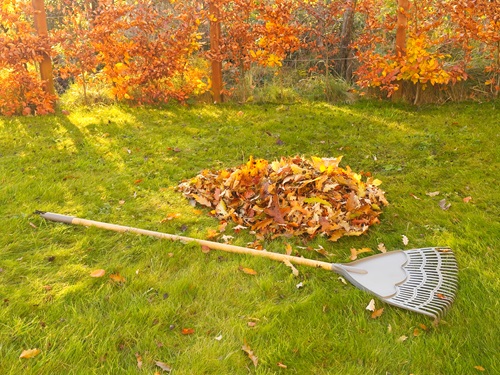
While a yard full of vibrant fall leaves might seem picturesque, they can create issues for your lawn care. Leaves obstruct sunlight and trap moisture, which can lead to problems for the grass underneath. Thus, it’s essential to regularly rake and remove leaves from your lawn. This simple task ensures that your grass receives the light it needs to thrive and helps prevent mold growth.

Proper Grass Cutting

Even as temperatures drop, you should keep your lawn mower handy. Regularly cutting your grass is vital for effective lawn maintenance. Aim to keep your grass at a height of 2.5 to 3 inches. If the grass grows too long, it can mat and become susceptible to snow mold, a common fungus.

On the other hand, cutting the grass too short can damage the root system, making it difficult for your lawn to endure the cold winter months. Therefore, maintaining the right height is crucial for healthy growth.

Consistent Watering

Another key aspect of lawn care in Conway SC is ensuring your grass receives enough water, even in the fall. Experts emphasize the importance of providing at least an inch of water per week. You can use a simple rain gauge to track rainfall and adjust your watering schedule accordingly. As temperatures drop, remember to disconnect hoses and watering systems before freezing conditions arrive to avoid damage.

residential-lawn-care-in-Conway-SC-300x200.jpg

residential lawn care in Conway SC

Fertilization for Healthy Roots

As your grass prepares for winter, it requires nourishment. Fertilization is an essential component of lawn maintenance, especially in late fall. Landscape professionals recommend using a slow-release granular fertilizer, such as a 24-0-10 blend. This formula provides essential nutrients—nitrogen, phosphorus, and potassium—that your lawn needs to survive the cold months and thrive in the spring.

Stay on Schedule

Timing is everything when it comes to effective lawn maintenance in Conway SC. Completing each task at the right time can lead to the best results. For example, if you fertilize too early or too late, tender grass blades may struggle in the cold. Therefore, keeping a lawn care calendar can help ensure that all tasks are completed at the appropriate time for optimal results.

Consider Help From Lawn Maintenance Experts

If managing all these tasks seems overwhelming, don’t hesitate to reach out to a professional lawn care service in Conway SC. They possess the expertise and equipment, such as aerators and seeders, to handle the work efficiently. By delegating some responsibilities, you can ensure that your lawn maintenance is done correctly and on time, allowing you to enjoy a lush lawn come spring.

Preparing for Next Year

As you focus on lawn maintenance this fall, remember that your efforts now will pay off in the coming year. Healthy grass that has been properly cared for will bounce back quickly in the spring, making your yard the envy of the neighborhood. Additionally, implementing these practices and hiring experts like Conway Lawn Care Service can help prevent future issues and create a sustainable lawn.

Ready to elevate your lawn maintenance game this fall? Follow these tips for a vibrant, thriving lawn next year! Call Conway Lawn Care Service now. 

Conway Lawn Care Service
Conway, SC 29526
843-353-2259
http://conwaylawncareservices.com

Thursday, September 26, 2024

Lawn Care: Guide to Restoring Your Lawn After a Storm


Extreme weather events, such as fierce thunderstorms, blizzards, or tornadoes, can wreak havoc on your landscape. No matter where you live, you may eventually face the challenge of cleaning up after such storms. These conditions can damage trees and uproot shrubs, impacting both the aesthetics of your yard and the safety of your home. That’s where lawn care can help.

Assessing the Damage

After a storm, the first step is to conduct a thorough inspection of your property. Start by checking for any fallen branches, especially those resting on power lines. If you find any, it’s crucial to avoid attempting to remove them yourself. Instead, you should contact your local electrical service, as they can handle the situation safely and efficiently.

Next, evaluate the condition of your trees. Are there old branches that look weak or damaged? Look for those that may have suffered in previous storms or are showing signs of disease. Identifying these hazards early can prevent further damage during future storms.

Safely Pruning Damaged Branches

When it comes to trimming damaged branches, safety should always come first. Use appropriate tools, such as pruning shears for smaller branches and pole pruners for those less than six inches in diameter. However, if larger limbs are involved, it’s best to consider hiring a tree care professional. Their expertise can save you from potential accidents.

For accessible branches, make your cuts just above a lateral branch. This technique encourages new growth and helps prevent the remaining branch from dying. On the other hand, avoid cutting in the middle of a damaged limb, as this can leave a dead area that might attract pests or diseases.

Lawn-care-in-Conway-SC-2-300x198.jpg

Lawn care in Conway SC

Knowing When to Call for Lawn Care Help

If you encounter significant damage, such as large branches hanging precariously or a substantial part of the tree down, it’s wise to call in an expert in lawn care in Conway SC. Climbing ladders or reaching for high branches can be risky, especially if the situation is unpredictable. Professionals have the experience and equipment necessary to handle these challenges safely.

Cleaning Up Debris

Cleaning up your lawn after a storm can be a lengthy and physically demanding task. Start by gathering fallen branches, leaves, and other debris carefully. Not only does this improve the look of your yard, but it also minimizes hazards like tripping or blocking drainage paths. For larger amounts of debris, consider renting a chipper to dispose of them efficiently.

Prioritizing Your Safety During Lawn Care

Throughout this process, always prioritize your safety. If you’re unsure about how to proceed or if the damage appears overwhelming, don’t hesitate to seek professional help. Conway Lawn Care Service can assess your lawn’s condition and provide valuable care tips, ensuring your outdoor space is safe for years to come.

By taking these steps, you can restore your lawn to its former glory while maintaining safety and promoting healthy growth. Ready to reclaim your outdoor space after a storm? Reach out to a lawn care expert today! Call Conway Lawn Care Service now. 

Conway Lawn Care Service
Conway, SC 29526
843-353-2259
http://conwaylawncareservices.com
Friday, September 20, 2024

Fall Lawn Care: Understanding Your Lawn’s Growth Cycle


Fall is a critical time for your lawn, as it undergoes significant changes in preparation for the winter months. Understanding your lawn’s growth cycle during this season can help explain why certain lawn care practices are essential right now. By following an annual maintenance schedule that aligns with your lawn’s natural cycle, you can ensure a healthier, greener yard come spring.

Lawn Care: The Importance of Growth in the Fall

As temperatures begin to cool and daylight hours shorten, your lawn starts to shift its focus. During this time, it produces less chlorophyll and gradually slows down, preparing for winter dormancy. Although the visible growth above ground decreases, the roots continue to work hard below the surface, strengthening and storing nutrients. Therefore, fall lawn care practices are crucial for supporting this root development.

Why Fall Fertilization Matters

Although your lawn may not seem as active in fall, it still requires nutrients to sustain its roots. Fertilizing early in the fall ensures that your grass gets a final boost before going dormant. Applying a slow-release fertilizer helps your lawn build up reserves for winter, setting it up for a strong return in the spring. However, timing is key. Fertilizing too late in the season can trigger unwanted growth, which may leave your lawn vulnerable to frost damage.

Similarly, many lawn care experts in Conway SC recommend one last “dormant feeding” just before the first freeze or snowfall. This practice ensures that the nutrients will be available when your lawn reawakens in the spring, without promoting excessive growth during the colder months.

Lawn Care Includes Watering

Even though fall brings cooler weather and perhaps more rain, your lawn still needs water to support root growth. As long as your grass remains green and hasn’t fully entered dormancy, continue to water about one inch per week. This practice strengthens the root system, helping it endure the upcoming winter. In warmer climates, regular watering can also prevent the lawn from going completely dormant, keeping it lush for longer.

Adjusting Your Mowing Height

Fall is also a time to adjust your mowing practices. Raising the mowing height in early fall allows your grass to maximize its surface area for photosynthesis, which in turn nourishes the roots. As your lawn moves into dormancy, gradually lower the mowing height. Shorter grass during winter can help minimize the risk of snow mold, a common fungal disease that thrives under taller, damp grass.

lawn-care-2-3-300x200.jpg

lawn care in Conway SC

Managing Weeds Effectively

Fall offers a prime opportunity to manage weeds in your lawn. Just like grass, weeds focus on storing energy in their roots during this season. This makes them more susceptible to herbicides, which can be applied to target unwanted plants. For small patches of weeds, hand-pulling might be sufficient. However, for larger infestations, spot-spraying an herbicide can provide better results. Be cautious about which herbicide you choose, as some can harm specific grass varieties.

Lawn Care: Why Dethatching Matters

Thatch is a layer of dead grass, roots, and organic material eventually build up and prevents water and nutrients from reaching your lawn’s roots. Dethatching in late summer or early fall gives your lawn time to recover before winter sets in. For northern grasses, early fall is ideal for this process, while southern grasses should be dethatched in late spring. Removing thatch not only improves the overall health of your lawn in Conway SC but also reduces the likelihood of lawn diseases like red thread and pink patch.

Guarding Against Fall Lawn Diseases

During the fall, your lawn in Conway SC is susceptible to certain diseases that thrive in cool, damp conditions. Red thread and pink patch are two common problems that can develop if lawn care isn’t maintained. These diseases can overwinter in thatch and organic debris, making dethatching an essential preventive measure. Fall is also a time to watch for powdery mildew, especially in shady areas. If your lawn has been affected by mildew, consider overseeding with mildew-resistant grass varieties to mitigate the issue in the future.

Why Fall Is Perfect for Reseeding

If your lawn has become thin or patchy over the summer, fall is the perfect time to reseed with the help of Conway Lawn Care Service. Cooler temperatures and increased moisture levels create ideal conditions for new grass to take root and grow strong. Overseeding can fill in bare spots and improve the overall density of your lawn, making it more resistant to weeds and other stress factors in the spring. Choose grass varieties that suit your region and are resistant to common diseases to ensure long-term success.

By understanding your lawn’s needs during the fall, you can ensure that it remains healthy and vibrant year after year. Take action now to prepare your lawn for winter, and you’ll enjoy the rewards of a lush, green yard come spring! Call Conway Lawn Care Service now. 

Conway Lawn Care Service
Conway, SC 29526
843-353-2259
http://conwaylawncareservices.com

Monday, September 16, 2024

Fall Lawn Care Tips for Beginners


Autumn is a critical time for lawn care. In fact, it is even more important than spring when it comes to preparing your lawn for the coming year. Knowing what steps to take and when to take them can make a huge difference in maintaining a healthy, green yard. If you’re new to this, don’t worry! Here’s a simple guide to help you through the essential fall lawn care tasks.

Understanding the Basics of Fall Lawn Care

Fall lawn care in Conway SC is all about timing and understanding the conditions of your lawn. You’ll need to consider factors like weather, soil temperature, and the first frost date. Since these conditions can change from year to year, tools like online soil temperature maps or resources like the Farmer’s Almanac can be incredibly helpful. These tools provide valuable information that will help you plan your fall lawn care activities more effectively.

Adjust Your Mowing Routine for Fall

To keep your lawn healthy, you’ll need to adjust your mowing height throughout the fall. While the grass is still actively growing, continue mowing at the recommended height for your grass type. However, as temperatures start to cool, raise your mower blades to their highest setting. This longer grass length helps develop deeper roots, which is crucial for winter survival.

Then, after the grass becomes dormant, lower the mower blades for the final cut of the season. For example, cool-season grasses should be cut to about 2 inches, while warm-season grasses can be trimmed to around 1 inch. Cutting lower at this point helps reduce the risk of snow mold and other winter diseases.

Make Use of Fallen Leaves

Instead of raking and bagging leaves, why not use them to your advantage? A mulching mower can chop up fallen leaves into small pieces. As long as you can still see the grass through the chopped leaves, they are small enough to decompose naturally. This process adds organic matter to your soil, providing natural nutrients like nitrogen, which benefits your lawn similarly to a seasonal fertilizer application. This method can save you both time and effort compared to traditional leaf removal.

Sharpen Your Mower Blades

Fall is also an ideal time to get your mower ready for next season. Now is the time to have your mower serviced and the blade sharpened. Dull blades can tear grass rather than cut it cleanly, making it more susceptible to disease and drying out. Ideally, mower blades should be sharpened two to three times a year to ensure a healthy cut every time.

fertilizing-in-Conway-SC-1-300x200.jpg

fertilizing in Conway SC

Fertilize at the Optimal Time

If you only have time to fertilize once a year, make it during the fall. Cooler temperatures and adequate moisture make this season perfect for applying fertilizer. By fertilizing now, you give your grass the nutrients it needs to build up energy reserves for winter and grow back stronger in the spring.

There are two types of fall fertilizing: early fall feeding and dormant feeding. Early fall feeding happens in late summer to early autumn, providing nutrients while the grass is still growing. Dormant feeding takes place after the first frost but before the ground freezes, setting up your lawn for an early start next spring.

Select the Right Fertilizer

Choosing the right fertilizer is important. Opt for a slow-release, low-nitrogen fertilizer to provide nutrients steadily over time. Quick-release fertilizers can lead to unwanted growth spurts that are not ideal during late fall. Additionally, remember to avoid fertilizing too close to any water sources to prevent nutrient runoff that can harm local waterways. If you’re not sure what to do, call experts from Conway Lawn Care Services.

Spot Treat Weeds Effectively

Fall is a great time to deal with weeds. If you only see a few, hand-pulling is often sufficient. However, if you have more weeds than you can comfortably manage, use a broadleaf herbicide. Make sure it is compatible with the type of grass you have. During fall, weeds are actively storing nutrients to survive the winter, making them more susceptible to herbicides. Just be sure to avoid non-selective herbicides, as they will kill any vegetation they come into contact with, including your grass.

Repair Bare Spots and Overseed

By the end of summer, your lawn might have some bare patches due to heavy foot traffic, drought, or other factors. Fall is the best time to repair these spots, particularly if you have cool-season grasses. Warm days and cool nights create ideal conditions for grass seed germination.

To repair bare spots, start by removing weeds and debris. Then, loosen the top layer of soil and add a bit of compost to enhance soil quality. Spread grass seed evenly over the area, cover it lightly with soil or compost, and keep it moist until the seeds germinate.

If your entire lawn looks a bit thin, overseeding can help thicken it up. Fall is the ideal time for this because the soil is warm, and the air is cool—perfect for seed growth. Overseeding can also introduce new grass varieties that are more resistant to diseases and drought. Make sure to fertilize when you overseed for the best results.

Take These Lawn Care Steps Now 

Fall is not just about the present; it’s about setting your lawn up for success in the future. By taking these steps now, you can ensure a healthier, greener lawn come spring. Regular lawn maintenance, including mowing, fertilizing, and weed control, will help you achieve a lush, vibrant yard next year.

Fall lawn care doesn’t have to be complicated. With a little planning and these simple steps in lawn care in Conway SC, you can set your lawn up for success. Start your fall lawn care routine today and enjoy a beautiful, healthy yard next spring!

Get started now, and give your lawn the care it needs this fall to look its best next year! Call Conway Lawn Care Service now. 

Conway Lawn Care Service
Conway, SC 29526
843-353-2259
http://conwaylawncareservices.com