Showing posts with label fertilizing. Show all posts

Tuesday, July 1, 2025

Summer Fertilizing Tips: How to Feed Your Lawn Without Doing Harm


Fertile, healthy grass starts with smart timing and precise feeding. During the summer months, lawns face intense stress—from soaring temperatures to unexpected dry spells—and while fertilizing can support growth, it can also cause more harm than good if done incorrectly. Whether you’re caring for cool-season or warm-season grass, understanding what your lawn needs in the heat is the first step toward lush, resilient turf.

Many homeowners assume that more fertilizer means a greener lawn. In reality, applying fertilizer at the wrong time, using too much nitrogen, or choosing the wrong formula can backfire. That’s why having a season-specific fertilizing plan is essential. This guide covers what to know before you feed your lawn this summer, along with practical tips for safe, sustainable fertilizing that avoids stress and disease.

What Summer Means for Grass Health

Summer in Conway SC brings longer daylight hours and hotter temperatures, which accelerates plant growth but also increases water loss. While warm-season grasses like bermudagrass and zoysiagrass tend to thrive during this period, cool-season grasses often struggle. That difference plays a big role in how and when you should fertilize.

Grass roots are highly active in spring and fall, but summer presents a challenge. High heat, inconsistent rainfall, and humidity can all interfere with nutrient uptake. If your lawn isn’t absorbing fertilizer efficiently, the product may sit on the surface, potentially burning the grass or running off into drains, wasting money and harming the environment.

Fertilizing Cool-Season Grasses: Less Is More

Cool-season grasses such as fescue, perennial ryegrass, and Kentucky bluegrass are more vulnerable during summer. These grasses naturally slow their growth to conserve energy when the heat becomes too much. Applying high levels of nitrogen during this dormancy period pushes growth at the wrong time, draining the plant’s energy and increasing stress.

Instead of force-feeding the lawn, use a gentler approach. Opt for low-nitrogen, slow-release fertilizers that offer steady nourishment. Products containing methylene urea or urea triazone release nitrogen gradually, avoiding the growth spurts that often lead to fungal disease or brown patches.

Avoiding Fertilizer Burn

Fertilizer burn occurs when excess salts accumulate in the soil and draw moisture away from grass roots. Signs include brown streaks or dry, scorched patches. This risk increases when temperatures exceed 82°F or when fertilizer is applied during drought or high humidity. Always water in fertilizer promptly after application and never feed dormant or stressed lawns.

If your cool-season grass appears brown or brittle in the heat, hold off on fertilizing in Conway SC until rainfall returns and temperatures drop. Dormancy is a survival tactic—not a sign your lawn needs more feed.

Warm-Season Grasses: Thrive with Targeted Summer Fertilizing

Lawn-care-in-Conway-SC-3-300x225.jpg

Lawn care in Conway SC

Warm-season turf types such as St. Augustinegrass, centipedegrass, and zoysiagrass prefer the heat. Summer is their main growing season, and a measured amount of fertilizer helps maintain their vibrant green color and density.

Still, moderation matters. Too much nitrogen can cause rapid, soft growth that’s more prone to disease. Spoon-feeding your lawn—meaning smaller, more frequent applications—can prevent this. Apply between half a pound to one pound of nitrogen per 1,000 square feet every four to six weeks, depending on your grass type and local conditions.

Use a slow-release formula and look for fertilizers that include secondary nutrients like iron or magnesium, which enhance color without encouraging excessive top growth.

Fertilizing: Water and Weather Matter

Fertilizing is not just about what you apply, but when. Always monitor weather conditions closely before feeding your lawn. Avoid fertilizing just before heavy rain, which can wash nutrients away before the roots absorb them. Similarly, skip feeding during extreme heatwaves. High humidity and temperatures over 86°F combined with moist foliage can trigger lawn diseases that spread quickly and are difficult to treat.

A useful tip in lawn care in Conway SC is to add the day’s high temperature and relative humidity together. If the total exceeds 150, conditions are likely too risky for fertilizer application, particularly nitrogen-rich ones. Waiting until conditions improve can protect your turf from unnecessary stress and potential damage.

Do You Know Your Soil?

Before choosing a fertilizer, it pays to understand what your soil already has. A soil test reveals nutrient levels, pH, and organic matter content, allowing you to apply only what’s needed. Blind fertilizing without this knowledge risks overdoing it and can lead to poor root development, runoff, or pest attraction.

For example, if your soil test shows low potassium but high nitrogen, selecting a balanced fertilizer such as 15-0-15 would be far more beneficial than a nitrogen-heavy 21-0-0 product. Soil tests are inexpensive and highly effective for long-term lawn health.

Common Summer Lawn Diseases Linked to Fertilizer Use

Brown patch, dollar spot, anthracnose, and Pythium blight are all common diseases that thrive when lawns are overfed in warm, humid conditions. They spread fast and can undo months of lawn care in a matter of days.

Some of these conditions, like dollar spot, are triggered by low nitrogen, while others, such as Pythium, are fueled by excess nitrogen and wet leaves. This is where timing and product choice become crucial.

Using fungicides may be necessary if your lawn has a history of disease, but the best protection is a consistent lawn maintenance routine that avoids overstimulation. Regular mowing at the proper height, clean blades, and smart watering practices will go a long way in disease prevention.

Applying Fertilizer the Right Way

  • Fertilize early in the morning or late evening to prevent evaporation and reduce stress on the lawn
  • Always water fertilizer into the soil after application unless it is labeled “no water needed”
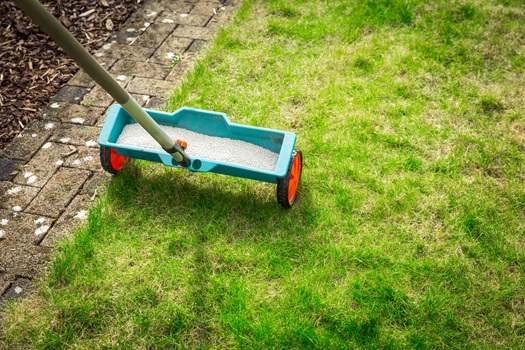
  • Use a spreader for even coverage and avoid overlapping lines
  • Clean up any fertilizer from driveways or sidewalks to prevent runoff
  • Wait a few days after mowing to fertilize so the grass has some leaf surface to absorb nutrients
  • Never fertilize dormant grass unless instructed by a professional

Fertilizing with Precision, Not Pressure

It can be tempting to chase quick results, especially if the lawn looks patchy or pale, but summer is not the time for aggressive feeding. A lighter hand with a smarter formula often yields better results.

If you’re unsure which products to use or how to time them correctly, Conway Lawn Care Service provides reliable insight and hands-on experience to ensure your fertilizing efforts support, not sabotage, your lawn.

Ready to Rethink Your Summer Lawn Care?

A beautiful summer lawn doesn’t come from pouring on the fertilizer. It comes from knowing your soil, choosing the right product, and working with the weather, not against it. Summer fertilizing is about helping your lawn survive the season, not forcing it to perform beyond its limits.

Call Conway Lawn Care Service now to speak with a local lawn expert who can recommend the right fertilizer, schedule, and strategy for your turf. Whether you’re maintaining an established lawn or reviving one that’s struggling, a smarter fertilizing plan can help you enjoy a greener, healthier yard all summer long.

Like our Facebook page for more information.

Conway Lawn Care Service
Conway, SC 29526
843-602-9872
http://conwaylawncareservices.com

Areas Served: Carolina Forest, Myrtle Beach, North Myrtle Beach, Conway, Surfside Beach, Forestbrook

Tuesday, October 8, 2024

Essential Tips for Fertilizing Your New Lawn


If you’re eager to establish a beautiful new lawn, fertilizing is crucial. Whether you’re seeding a fresh yard, laying down sod, or overseeding an existing area, giving your new grass every opportunity to thrive is essential. Fertilizing plays a vital role in this process because it provides essential nutrients that help your new seeds develop a robust root system. So, what type of fertilizer should you use, and how can you apply it effectively? Let’s explore some helpful tips on fertilizing your new lawn to set you up for success.

Choosing the Right Fertilizer for Your New Grass

When it comes to fertilizing your lawn, not all products are created equal. Therefore, the first step in achieving a vibrant lawn is to perform a soil test. This simple process allows you to identify nutrient deficiencies and determine what your soil needs. Many garden centers offer DIY soil testing kits that are user-friendly and effective.

For most homeowners, a starter fertilizer is the best choice for new grass. These fertilizers contain a balanced mix of nitrogen, phosphorus, and potassium (commonly referred to as NPK), along with essential micronutrients. Notably, starter fertilizers typically have higher-than-average amounts of phosphorus, which is crucial for root development. When choosing a fertilizer, look for an NPK ratio with the middle number—representing phosphorus—being the highest.

Timing Your Fertilizing Application

Timing plays a significant role in the success of your new lawn. If you are planting cool-season grass, such as Kentucky bluegrass or fescue, the optimal time for seeding and fertilizing is in the fall. However, if you live in a warmer climate and are seeding warm-season grass like Bermuda or Zoysia, aim for spring or early summer.

When it comes to adding fertilizer, you can choose to fertilize either before or after planting your new grass seed. Experts generally recommend applying fertilizer before seeding to ensure that the nutrients are available to the seeds right from the start. This proactive approach reduces the risk of fertilizer burn and promotes healthier growth. For sod installations, always fertilize the soil beforehand.

fertilizing-in-Conway-SC-1-300x200.jpg

fertilizing in Conway SC

Effective Techniques for Fertilizing Your Lawn

Now that you’re ready to use your new grass fertilizer, start by prepping your lawn to create the ideal conditions for fertilizing in Conway SC. Begin by removing any debris, such as leaves, rocks, and twigs. Next, loosen the top layer of soil using a rake or rototiller. If you’re applying fertilizer first, this is the perfect time to do so.

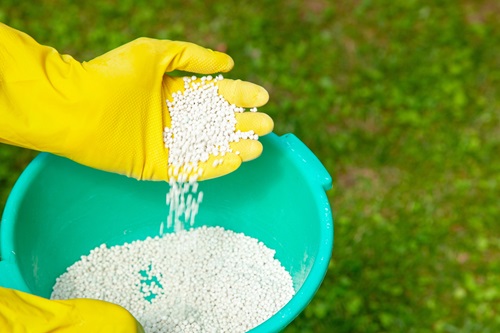
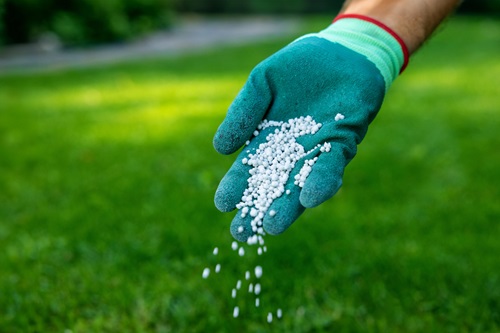
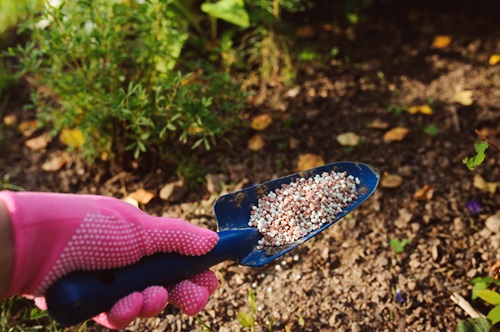
Fertilizers typically come in two forms: granules and liquids. If you’re using granules, spread them evenly across your lawn with a drop or broadcast spreader, or even by hand (just remember to wear gloves!). For liquid fertilizers, a hose sprayer works well for easy application. Regardless of the type, make sure to cover your lawn in overlapping stripes. A good rule of thumb is to apply 0.5 to 1 pound of nitrogen for every 1,000 square feet of lawn. Additionally, aim to fertilize during cooler times of the day, either early morning or late evening.

After spreading the fertilizer, lightly rake it into the top few inches of soil. However, avoid mixing it too deeply, as your grass seed needs access to those nutrients. Next, evenly distribute your grass seed and rake it into the top layer of the soil. Remember, you can also choose to fertilize for new grass after seeding if that better fits your timeline.

Understanding the Effects of Fertilizing on New Grass

If you follow the guidelines on your fertilizer product and apply it correctly, you shouldn’t face any problems with harming your grass. However, over-fertilizing can lead to “fertilizer burn,” which causes brown patches and stunted growth. Therefore, it’s crucial to apply the right amount.

Caring for Your Newly Fertilized Lawn

Applying seeds and fertilizer is just the beginning of nurturing your new lawn. Once you’ve added the fertilizer and grass seed, it’s vital to water your lawn thoroughly. Keeping the soil consistently moist (but not overly saturated) is essential until your grass seeds germinate. For the first week, aim to water twice daily, and then gradually reduce this to once or twice a week in the early morning. Establishing a watering schedule based on your climate zone will help your new grass thrive.

Additionally, it’s best to keep pets and children off the lawn until the grass is well-established, usually around six to eight weeks after germination. After this period, you can transition to a regular fertilization schedule. Fertilizing every other month during the growing season is generally recommended, but seeking expert advice on the right fertilization schedule for your lawn in Conway SC can also provide valuable insights.

Avoiding Common Fertilizing Mistakes

It’s surprisingly easy to over-fertilize your lawn or choose the wrong fertilizer for the needs of your soil. Therefore, if you’re investing time and resources into creating a new lawn or improving a struggling one, consider consulting professionals for assistance.

Conway Lawn Care Service can help you analyze your soil and apply the best fertilizer tailored to your lawn’s specific needs. They can manage every aspect of establishing your new lawn, whether you opt for seeds or sod.

If you’re excited about achieving the best lawn on the block, it’s time to take action. Call Conway Lawn Care Service for professional assistance in making your lawn a vibrant and thriving space!

Conway Lawn Care Service
Conway, SC 29526
843-353-2259
http://conwaylawncareservices.com

Tuesday, July 30, 2024

Achieving a Lush Lawn: The Essential Guide to Fertilizing


Keeping your lawn looking beautiful and healthy takes the right kind of care, especially when it comes to fertilizing. Effective fertilizers not only provide the nutrients your grass needs but also improve the soil’s overall health. Let’s dive into how you can choose and use the best fertilizers for a vibrant, green lawn.

Fertilizing Your Lawn Properly

When picking a fertilizer, think about what your specific lawn needs. Different types of grass have unique nutrient requirements. For example, Bermuda grass might need a different blend than Kentucky bluegrass.

Additionally, consider your soil type. Sandy soils drain quickly and might need more frequent feeding, while clay soils hold onto nutrients longer, benefiting more from slow-release fertilizers.

It’s also essential to encourage slow and steady growth. Rapid growth can lead to weak roots, making your lawn more prone to diseases and drought. Opt for fertilizers that release nutrients gradually.

The Importance of Soil Testing

Before you start fertilizing in Columbia SC, it’s crucial to test your soil. Soil tests give you valuable information about nutrient deficiencies and the composition of your soil, including levels of nitrogen, phosphorus, and potassium. Knowing these details helps you choose the right fertilizer to address any deficiencies and promote healthier plant growth.

Soil tests also reveal the soil’s pH level, which affects how well plants can absorb nutrients. By understanding your soil’s pH, you can select a fertilizer that suits your lawn’s needs, preventing nutrient imbalances and ensuring efficient nutrient uptake.

Understanding Nutrient Levels in the Soil

When it comes to proper residential lawn care in Columbia SC, it’s important to understand the nutrient levels in your soil. Key nutrients like nitrogen, phosphorus, and potassium play crucial roles in plant growth. For instance, nitrogen supports photosynthesis and growth, phosphorus helps develop roots, and potassium boosts disease resistance.

By identifying nutrient deficiencies through soil testing, you can apply the right fertilizers or soil amendments. This targeted approach ensures your lawn gets the nutrients it needs, preventing problems like stunted growth or discoloration.

Fertilizing-300x181.jpg

Fertilizing in Conway SC

Fertilizing According To Grass Types

Different types of grass have specific nutrient needs, so matching the right fertilizer to your grass type is essential for optimal growth.

  • Bermuda Grass: This type of grass thrives with high-nitrogen fertilizers to support vigorous growth.
  • Kentucky Bluegrass: It benefits from fertilizers with higher phosphorus and potassium levels to develop strong roots.
  • Zoysia Grass: This grass type requires balanced, slow-release fertilizers to maintain its dense growth.
  • St. Augustine Grass: Prefers fertilizers rich in phosphorus to ensure healthy root development.

Providing the right nutrients in the correct proportions helps your lawn grow healthily and look its best.

Pros and Cons of Organic Fertilizers

Organic fertilizers have several advantages. They enrich the soil with essential nutrients and promote healthy plant growth. Additionally, they improve soil structure and water retention, reducing the need for frequent watering. Organic fertilizers also support beneficial microorganisms, enhancing long-term soil fertility.

However, they release nutrients slowly, which might not meet immediate plant needs. Plus, if not properly composted, they can contain weed seeds, leading to potential weed infestations.

Benefits of Synthetic Fertilizers

Synthetic fertilizers offer quick results because they release nutrients rapidly. They are formulated to deliver precise nutrient ratios, ensuring balanced growth without nutrient imbalances. Their ease of application and longer shelf life make them convenient for homeowners looking for immediate lawn improvement.

Despite these benefits, overapplication can lead to nutrient runoff, impacting the environment. It’s crucial to use them responsibly and follow the recommended application rates.

Fertilizing At The Right Time

Timing is key when it comes to fertilizing your lawn. Slow-release fertilizers are typically applied in spring and early autumn to provide a steady nutrient supply. On the other hand, quick-release fertilizers are best used during the growing season for an immediate boost.

Soil type and weather conditions also affect timing. For instance, sandy soils may need more frequent applications, while clay soils might require less. Always consider temperature, rainfall, and sunlight to adjust your fertilization schedule for the best results.

Achieving a lush and healthy lawn involves understanding its specific needs and applying the right fertilizers at the right time. For expert advice about fertilizing, reach out to Conway Lawn Care Service today. Let’s work together to achieve the vibrant, thriving lawn you’ve always wanted!

Like our Facebook page for more great info about heating and cooling services.

Conway Lawn Care Service
Conway, SC 29526
843-353-2259
http://conwaylawncareservices.com/

Friday, July 26, 2024

Tips for a Stunning Lawn and Garden: Fertilizing Made Simple


Taking care of your lawn and garden can be incredibly rewarding. Fertilizing is one of the key steps to ensure your plants get the nutrients they need to thrive. However, using fertilizer correctly is crucial to avoid harming your plants, yourself, and the environment. Let’s dive into how you can fertilize like a pro.

Understanding Fertilizer Basics

To begin with, fertilizer replenishes soil with essential nutrients that might be lost through runoff, overplanting, and pH imbalances. Most fertilizers contain a mix of nitrogen, phosphorus, and potassium, often referred to as NPK. Each of these nutrients plays a vital role.

For example, nitrogen promotes leaf and stem growth, phosphorus aids in root development, and potassium enhances flower and fruit production while boosting disease resistance. Additionally, fertilizers may include micronutrients like magnesium, sulfur, and calcium, plus fillers to stabilize the formula and combat pests.

The Importance of NPK Ratios

The NPK ratio on fertilizer bags, such as 10-10-10 or 5-5-5, indicates the percentage of these key nutrients. Different plants have varying needs. For example, leafy greens might require more nitrogen, while established plants may benefit from a balanced mix or higher potassium levels. So, understanding these ratios helps you choose the right fertilizer for your specific plants.

Start with a Soil Test

Before fertilizing, it’s smart to test your soil. Soil tests, which can be purchased online or done by professionals, reveal the pH level and nutrient content. This information helps you select the best fertilizer and prevents over or under-fertilization, which can harm plants and the environment. For example, too much nitrogen can burn plants or contaminate water supplies.

Navigating the Garden Center

Choosing fertilizer can be overwhelming. Begin by deciding between fast-release and slow-release options. Fast-release fertilizers provide an immediate nutrient boost, ideal for new lawns or struggling plants. However, slow-release fertilizers are better for ongoing lawn maintenance, reducing the risk of nutrient runoff and plant burn.

You also need to choose between organic and synthetic fertilizers. Organic fertilizers, derived from natural sources like composted manure, release nutrients slowly and improve soil health over time. On the other hand, synthetic fertilizers, made from chemicals, act quickly and are available in higher concentrations, meaning you need less product for the same effect.

Fertilizing-300x181.jpg

Fertilizing in Conway SC

Timing Is Everything

Plants benefit most from fertilizer just before and during their peak growing phases. Applying fertilizer in early spring can prepare the soil for planting, while additional applications during the growing season can support vigorous growth. If plants are struggling, a targeted application might help. However, make sure that lack of nutrients is the actual issue by ruling out other factors like pests or insufficient water.

Grass Care Tips

Different grasses have different fertilization needs. If you’re unsure about your grass type, consult a local landscaping expert in Conway SC. Generally, cool-season grasses benefit from spring and fall fertilization, while warm-season grasses thrive with late spring or early summer applications. Timing your fertilization correctly helps avoid burning your lawn and ensures healthy, green growth.

Fertilizing Your Garden

For gardens, fertilize before planting to enrich the soil. As plants grow, follow specific guidelines for each type. For example, tomatoes need both early and mid-season feedings, while many trees and shrubs only need a boost after winter. Always check seed packet instructions for the best results.

Application Tips

Once you’ve chosen the right fertilizer in Conway SC and time, it’s important to apply it correctly:

  • Use a drop or broadcast spreader for even distribution.
  • Wear gloves if applying by hand.
  • Avoid fertilizing dry or drought-stressed plants; water the day before and let the area dry before fertilizing.
  • Follow the dilution instructions on the fertilizer bag.
  • Lightly water the area after application to activate the fertilizer and prevent runoff.
  • Avoid fertilizing before heavy rain to reduce nutrient runoff.

Consider Professional Help

So, if you’re new to fertilizing, hiring Conway Lawn Care Service can simplify the process and ensure your lawn and garden get the right care. Professional fertilization services can range from $50 to $75 per application or around $300 for a season package, depending on your lawn’s size.

For a lush lawn and vibrant garden, fertilizing properly is essential. Get started with these tips and watch your plants thrive. Call Conway Lawn Care Service now. 

Like our Facebook page for more great info about heating and cooling services.

Conway Lawn Care Service
Conway, SC 29526
843-353-2259
http://conwaylawncareservices.com/

Thursday, August 26, 2021

How do you care for your lawn after rain?

conway-lawn-care-300x200.jpgIf you’re living in a place that’s rain-free, there will still be days when too much rain will put a damper on your lawn. Here are five lawn care tips that can help you with your lawn following heavy rain.

Lawn Care Tips After the Rain

Don’t mow your lawn Even though it may be quite tempting to mow the lawn following a drenching shower, it could be one of the worst decisions you can do for your foliage. You should wait until the lawn is completely dry before you start mowing. If you do, it may lead to problems like ruts in your soil, compaction, or electrocution when you’re using an electric mower. Keep Off Your Lawn In terms of compaction, you should walk on your landscaping and cause some significant damage to the mower’s blades. If your lawn is wet, walking on it would cause some damage to your blades. If the lawn is wet, the grass will lose the natural spring that lets it stay resilient during the drier seasons if traffic is much more frequent. Aerate Your Lawn In case your lawn has become compacted, you could ask your Conway lawn care expert to aerate your grass. They would create tiny holes in your soil that would boost the drainage of your soil and improve growth while the grass recovers from this heavy rainfall. Fertilize Your Lawn Whenever rainfall floods through the lawn, it has a tendency to drown out all the nutrients that your grass needs to survive. You should replenish the lawn with the nutrients it needs by fertilizing it so that you can rebuild the health of your lawn. Monitor Flooded Areas It’s almost impossible to prevent your lawn from initial flooding. But, after the rainfall has started and your grass has flooded, you should check your lawn. Track all the areas that have been flooded and plan how you can even out these spots once the grass has died. If you level out the ground, then you are boosting the drainage of the lawn as you prepare for the next rainfall.

Call Conway Lawn Care Service now and let us take care of your lawn and prepare it for the next rainfall.

Conway Lawn Care Service Conway, SC 29526 843-353-2259 http://conwaylawncareservices.com/

http://conwaylawncareservices.com/how-care-for-lawn-after-rain/

Friday, July 2, 2021

What is the best fertilizer to have for the summer months?

lawn-care-Conway-SC-300x200.jpgNow that’s an extreme year but a lot of things can still happen. It will just take only a few days to reach the 80s or even the 90s, and the cool season grass could easily check out and slumber. You do not want to bomb it with a growth spurt from nitrogen that leads up to or during a heatwave. That’s why you need to learn more about summer lawn care Conway SC maintenance and fertilizing tips. But you shouldn’t take nitrogen out of the equation right away. The lawn will still need a bit of nitrogen when fertilizing to remain healthy and green, but you need to reduce it for a bit. That’s the concept of the slow play. Move your way into the summer season by spoon feeding the nitrogen and when you can, add in some potassium in there as well. Potassium is excellent when it comes to helping plans during times of stress. Aside from that, micronutirents are perfect for the summer season especially iron since it can help keep the landscaping remain blue green in color without forcing it to grow further.

Lawn Care Conway SC Tips for Summer Fertilization

The fertilizers that are used during the summer season does not concentrate on root growth but on helping the lawn in water retention, weed control and deep nutrition, which are all problems that affect lawns during the summer. Summer season is the time when the growth cycle of your lawn might be disrupted by bugs, weeds, dry spells, and intermittent heavy rainfall. The fertilizer must help address these issues so that your lawn could stay as lush and healthy as you want. Most summer fertilizers have certain properties that will support the grass in resisting drought and weeds, insects, growing deeper roots, as well as water retention. In certain ways, the summer lawn food will serve as all an all purpose fertilizer and assist in avoiding problems that typically happens with the heat of the summer. Homeowners need to know that fertilizing during the fall season is as crucial as facilitating deeper growth of grassroots to assist in strengthening the grass during winter. It’s also as important to fertilize during the summer season, as part of your lawn care Carolina Forest routine. Summer fertilizers could help in the growth of healthy grass and make it look appealing. They may also have turf builder properties that could boost the amount of grass and the lawn’s overall health. Summer fertilization would also secure the lawn during adverse weather and drought conditions that aren’t favourable to the growth of new grass. The fertilizers made for the summer season release slowly to make sure that the turf is healthy and well-fed even during times when the water is much less than one inch per week. In case you have warm season grasses, this type of fertilizer could strengthen your grasses and let them take on the sharp weather changes during the hot summer season. Summer fertilizers could also help in preventing your lawn from going dormant or brown.  

Call Conway Lawn Care Service if you need help in maintaining your lawn not only during summer but throughout the year.

  Conway Lawn Care Service Conway, SC 29526 843-353-2259 http://conwaylawncareservices.com/

http://conwaylawncareservices.com/fertilizer-summer-lawn-care-conway-sc/