Tuesday, October 22, 2024

Liquid vs. Granular Fertilizer: Choosing the Best Option for Your Lawn Care


When it comes to maintaining a lush and vibrant lawn, understanding the right fertilization method is essential. As you consider how to nourish your grass, you might find yourself wondering about the differences between liquid and granular fertilizers. In this guide, we’ll explore the strengths and weaknesses of both options, helping you make an informed decision for your lawn care needs.

Lawn Care: Exploring Your Fertilizer Options

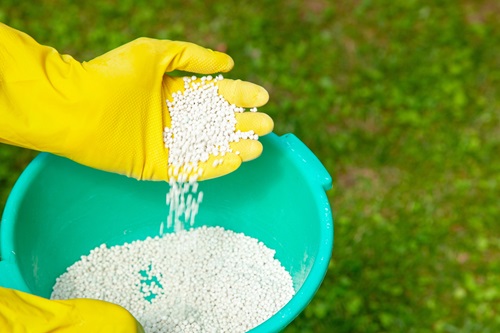
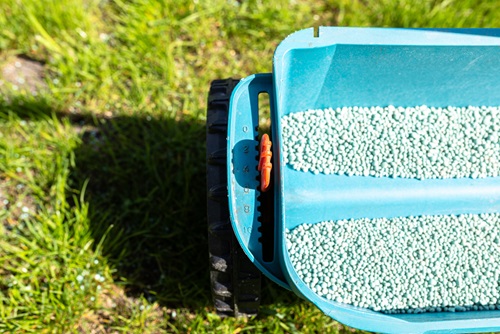
Both liquid and granular fertilizers contain essential nutrients that support healthy growth, including nitrogen, phosphorus, and potassium. Specifically, liquid fertilizers are often diluted with water and applied using a sprayer or hose attachment. On the other hand, granular fertilizers come in solid form as pellets or granules, which are spread directly onto the lawn with a broadcast or drop spreader. Understanding these differences will help you choose the best fertilizer for your lawn.

Lawn Care: Benefits of Liquid Fertilizers

If you’re leaning toward liquid fertilizers, you should know they come with several notable advantages:

Rapid Absorption and Quick Results

One of the primary benefits of liquid fertilizers in Conway SC is their quick absorption. Since these fertilizers penetrate the soil rapidly, you’ll notice faster greening and growth, particularly if your lawn is suffering from nutrient deficiencies. Thus, if you need a quick boost for your grass, liquid fertilizers may be the way to go.

Convenient Application

In addition, liquid fertilizers are typically easier to apply than granular options. Instead of lifting heavy bags, you can simply attach the fertilizer bottle to your hose and spray it directly onto your lawn. This method ensures even coverage, which lowers the chances of missing spots or over-fertilizing certain areas.

Versatile Mixing Options

Another advantage is the ability to mix liquid fertilizers with other lawn care products. For instance, combining them with herbicides or insecticides allows you to tackle multiple issues in one application. As a result, this versatility can save you time and effort, especially during peak lawn care seasons.

Lawn Care: Advantages of Granular Fertilizers

While liquid fertilizers have their merits, granular fertilizers also offer unique benefits worth considering:

residential-lawn-care-in-Conway-SC-300x200.jpg

residential lawn care in Conway SC

Long-Lasting Nutritional Supply

In contrast to the quick action of liquid fertilizers, granular fertilizers often feature slow-release formulations. This means they provide a steady supply of nutrients over an extended period, promoting consistent growth and health for your lawn in Conway SC.

Cost-Effectiveness

Furthermore, if you’re on a budget, granular fertilizers generally cost less than their liquid counterparts. They typically offer a longer shelf life, especially when purchased in bulk, making them a practical choice for larger lawns.

Reduced Frequency of Application

Moreover, because granular fertilizers release nutrients slowly, you won’t need to apply them as often. This convenience allows you to spend less time fertilizing and more time enjoying your beautiful lawn.

Deciding on the Best Fertilizer for Your Lawn Care

Given what you now know about both options, how do you decide which fertilizer is best for your lawn? If your lawn is small or struggling, consider opting for a liquid fertilizer to provide that much-needed boost. On the other hand, for larger lawns that are already in good condition, granular fertilizers can deliver sustained nourishment while being more cost-effective.

Regardless of your choice, ensure that you select a high-quality fertilizer tailored to your specific lawn care needs.

Need Help Choosing?

If you’re still unsure whether to choose liquid or granular fertilizer, consider consulting Conway Lawn Care Service. They can assess your lawn’s condition and guide you toward the best fertilizer option based on your goals and budget.

Taking care of your lawn involves more than just fertilization, but finding the right product is a critical step toward achieving the lush, green lawn of your dreams. Start your lawn care journey today and watch your grass thrive! Call Conway Lawn Care Service now. 

Like our Facebook page for more information.

Conway Lawn Care Service
Conway, SC 29526
843-353-2259
http://conwaylawncareservices.com

Monday, October 14, 2024

Lawn Care Tips Against Fungal Threats This Fall


As the fall season approaches, many homeowners are excited to enjoy the changing leaves and cooler weather. However, with the onset of autumn, lawn care becomes increasingly important to protect your grass from the threat of lawn fungus. Understanding how to identify, treat, and prevent lawn fungi is crucial for keeping your outdoor space looking its best. Therefore, let’s explore some essential tips for safeguarding your lawn this season.

Lawn Care : Common Fungal Diseases

The first step in managing lawn fungus is recognizing the symptoms. Some of the most prevalent fungal diseases include brown patch, large patch, and dollar spot. By familiarizing yourself with these conditions, you can take proactive lawn maintenance measures to protect your grass.

Brown Patch

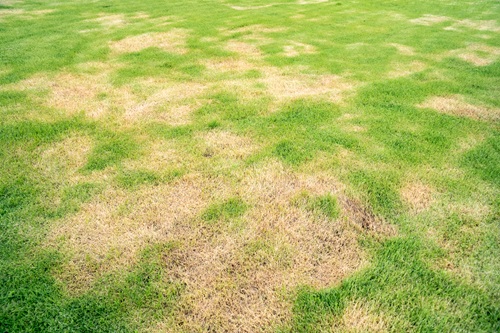
Brown patch is a common lawn fungus that can severely damage your grass. This disease affects various turfgrass species, but perennial ryegrass is particularly susceptible. You can identify brown patch by its large, irregular patches of dry, brown grass. Typically, this fungus thrives when daytime temperatures are in the 80s and nighttime temperatures drop into the 60s, which creates ideal conditions for moisture accumulation. As a result, after a wet summer, brown patch is especially likely to occur, leaving your lawn looking unhealthy.

Large Patch

Previously classified as the same as brown patch, large patch has now been recognized as a separate lawn fungus. This condition primarily affects warm-season grasses, such as centipedegrass, zoysiagrass, and St. Augustinegrass. Symptoms usually appear in late fall when temperatures cool down. Like brown patch, large patch manifests as large patches of brown grass that continue to spread. A distinguishing feature is that the center of the patch may heal, resulting in a donut-shaped appearance.

Dollar Spot

Dollar spot is another lawn fungus that affects a variety of grass types. It appears as small, straw-colored circles that resemble the size of a silver dollar. If left untreated, these spots can expand into larger areas of dead grass, quickly ruining the aesthetics of your lawn.

Lawn Care Tips and Treatments for Lawn Fungus

Once you’ve identified the presence of lawn fungus, it’s time to explore lawn treatment options. Here are some effective strategies to combat common fungal diseases:

Reduce Moisture

Excess moisture is a breeding ground for lawn fungi. Consequently, adjusting your watering habits is essential. Water your lawn early in the day, allowing any excess moisture to dry up before nighttime. This practice helps minimize the risk of fungal development. Furthermore, ensure that your irrigation system is functioning correctly and only watering when necessary.

Aerate Your Lawn

Compacted soil and excessive thatch can hinder the health of your lawn in Conway SC, making it more susceptible to fungal infections. To determine whether your soil is compacted, try pushing a screwdriver into the ground. If it’s difficult to penetrate, your lawn likely needs aeration. Aerating allows for better air circulation and improves the soil’s ability to drain, reducing the risk of fungal issues.

Lawn Care: Fertilization and Fungicide Treatment

Maintaining a healthy lawn through proper fertilization is one of the best defenses against lawn fungi. Regular lawn care and fertilization keep your grass robust, thereby helping it resist disease. If you find that your lawn is already struggling with fungal infections, a fungicide treatment may be necessary. Consulting a lawn care professional for tailored advice on the best products for your situation is always a good idea.

Lawn Care: Preventing Lawn Fungus

Preventing lawn fungus is often easier than treating it once it appears. Here are some simple lawn care in Conway SC that can help protect your grass:

Lawn Care and Watering Techniques

Meanwhile, proper watering is vital in preventing lawn fungi. Avoid overwatering, as this can create an environment conducive to fungal growth. Instead, focus on deep, infrequent watering that penetrates the soil to promote strong root systems. Timing is crucial; always water your lawn in the morning, allowing enough time for any excess moisture to evaporate before nightfall.

Proper Mowing Height

Maintaining the correct mowing height is also essential for lawn health. Cutting your grass too short, known as scalping, can weaken it and leave it vulnerable to fungal diseases like dollar spot. Aim to mow at a height of at least 3.5 inches, allowing your grass to retain moisture and remain healthy. Additionally, consider leaving grass clippings on the lawn to provide natural nutrients.

Avoid Nitrogen Heavy Fertilizers

Lastly, be cautious with nitrogen-heavy fertilizers, as they can fuel the growth of lawn fungi. Instead, opt for slow-release nitrogen fertilizers that provide benefits over time without overwhelming your grass. This approach encourages a healthier lawn in Conway SC while minimizing the risk of fungal outbreaks.

Seek Professional Lawn Care Help

If you find that lawn fungus has taken over your yard, consider reaching out to Conway Lawn Care Service. We can provide premium services, including fertilization and fungus control programs designed to keep your lawn healthy throughout the year.

Don’t let lawn fungus ruin your outdoor oasis; take action today to ensure your grass stays lush and beautiful this fall! For more information on how to protect your lawn or to schedule a consultation, call Conway Lawn Care Service today.

Like our Facebook page for more information.

Conway Lawn Care Service
Conway, SC 29526
843-353-2259
http://conwaylawncareservices.com
Thursday, October 10, 2024

The Essential Role of Aeration in Lawn Care


When it comes to maintaining a vibrant and healthy lawn, understanding the significance of aeration is crucial. Lawn care encompasses various practices, and aeration is a key component that can make a world of difference, especially for lawns that experience high traffic. So, what exactly is aeration, and why should you incorporate it into your regular lawn maintenance routine? Let’s dive in!

Understanding Aeration in Lawn Care

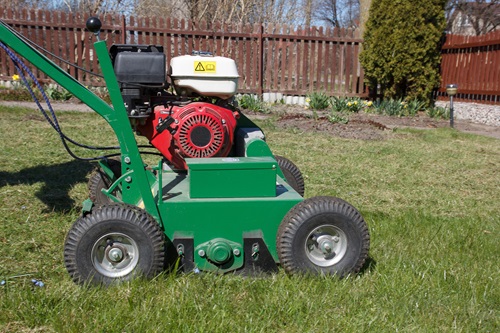
Aeration involves creating holes in the soil to facilitate the movement of air, nutrients, and water to the roots of the grass. By aerating your lawn, you promote healthier growth and enhance the overall appearance of your yard.

As a result, well-aerated lawns not only look lush and green but can also increase the value of your property. Furthermore, if the roots of your grass are healthy, they are better equipped to withstand environmental stressors, ensuring a beautiful appearance year-round.

Lawn Care: Methods of Aeration

There are two primary methods of aeration: turf aeration and core aeration.

Turf Aeration

Turf aeration uses tools such as spike aerators, aeration shoes, and hand aerators to create holes in the soil. This method is suitable for low-traffic areas where compacted soil needs a boost. However, it’s important to note that turf aeration may not be ideal for high-traffic lawns, as it can exacerbate compaction issues.

Core Aeration

In contrast, core aeration is often more effective. This technique removes plugs of soil from the ground, allowing for improved air and water circulation. By creating hollow spaces, core aeration opens pathways for nutrients to reach deeper roots, promoting a healthier lawn overall. Consequently, this method is particularly beneficial for high-traffic areas.

aeration-1-300x200.jpg

lawn care in Conway SC

Benefits of Aeration in Lawn Care

Aeration offers numerous benefits that significantly enhance the health of your lawn:

Improved Drainage

Aeration helps enhance drainage, which reduces water runoff that could otherwise lead to moss growth. When soil is compacted, water cannot seep in effectively; thus, regular aeration ensures that water reaches the roots, allowing your grass to thrive.

Reduced Soil Compaction

By addressing soil compaction—often caused by foot traffic—your lawn will benefit from better air and water circulation. This is crucial for maintaining lush grass that can withstand various environmental challenges.

Lawn Care and Thatch Control

Additionally, aeration in Conway SC assists in controlling thatch development, a layer of dead grass and organic matter that can suffocate your lawn. By breaking up thatch, aeration prevents buildup, promoting a healthier environment for grass roots to flourish.

Enhanced Turf Health

Regular aeration boosts turf health and helps to prevent pests and diseases that can harm your lawn. For best results, you should aerate a no-traffic lawn every other year. For medium to high traffic lawns, consider aerating twice a year to maintain optimal health.

DIY Aeration vs. Hiring Professionals

You can certainly aerate your lawn yourself, but hiring a professional lawn care service in Conway SC can ensure that the job is done effectively. Regardless of the method you choose, remember that the benefits of aeration will significantly contribute to your overall lawn care success.

Hire Lawn Care Pros

If you’re looking to achieve a vibrant and healthy lawn, consider making aeration a regular part of your lawn care routine. With the right approach and working with Conway Lawn Care Service, you can ensure that your lawn remains lush and beautiful for years to come.

Want to learn more about effective lawn care practices? Call Conway Lawn Care Service and we’ll guide you through the process!

Like our Facebook page for more information.

Conway Lawn Care Service
Conway, SC 29526
843-353-2259
http://conwaylawncareservices.com
Tuesday, October 8, 2024

Essential Tips for Fertilizing Your New Lawn


If you’re eager to establish a beautiful new lawn, fertilizing is crucial. Whether you’re seeding a fresh yard, laying down sod, or overseeding an existing area, giving your new grass every opportunity to thrive is essential. Fertilizing plays a vital role in this process because it provides essential nutrients that help your new seeds develop a robust root system. So, what type of fertilizer should you use, and how can you apply it effectively? Let’s explore some helpful tips on fertilizing your new lawn to set you up for success.

Choosing the Right Fertilizer for Your New Grass

When it comes to fertilizing your lawn, not all products are created equal. Therefore, the first step in achieving a vibrant lawn is to perform a soil test. This simple process allows you to identify nutrient deficiencies and determine what your soil needs. Many garden centers offer DIY soil testing kits that are user-friendly and effective.

For most homeowners, a starter fertilizer is the best choice for new grass. These fertilizers contain a balanced mix of nitrogen, phosphorus, and potassium (commonly referred to as NPK), along with essential micronutrients. Notably, starter fertilizers typically have higher-than-average amounts of phosphorus, which is crucial for root development. When choosing a fertilizer, look for an NPK ratio with the middle number—representing phosphorus—being the highest.

Timing Your Fertilizing Application

Timing plays a significant role in the success of your new lawn. If you are planting cool-season grass, such as Kentucky bluegrass or fescue, the optimal time for seeding and fertilizing is in the fall. However, if you live in a warmer climate and are seeding warm-season grass like Bermuda or Zoysia, aim for spring or early summer.

When it comes to adding fertilizer, you can choose to fertilize either before or after planting your new grass seed. Experts generally recommend applying fertilizer before seeding to ensure that the nutrients are available to the seeds right from the start. This proactive approach reduces the risk of fertilizer burn and promotes healthier growth. For sod installations, always fertilize the soil beforehand.

fertilizing-in-Conway-SC-1-300x200.jpg

fertilizing in Conway SC

Effective Techniques for Fertilizing Your Lawn

Now that you’re ready to use your new grass fertilizer, start by prepping your lawn to create the ideal conditions for fertilizing in Conway SC. Begin by removing any debris, such as leaves, rocks, and twigs. Next, loosen the top layer of soil using a rake or rototiller. If you’re applying fertilizer first, this is the perfect time to do so.

Fertilizers typically come in two forms: granules and liquids. If you’re using granules, spread them evenly across your lawn with a drop or broadcast spreader, or even by hand (just remember to wear gloves!). For liquid fertilizers, a hose sprayer works well for easy application. Regardless of the type, make sure to cover your lawn in overlapping stripes. A good rule of thumb is to apply 0.5 to 1 pound of nitrogen for every 1,000 square feet of lawn. Additionally, aim to fertilize during cooler times of the day, either early morning or late evening.

After spreading the fertilizer, lightly rake it into the top few inches of soil. However, avoid mixing it too deeply, as your grass seed needs access to those nutrients. Next, evenly distribute your grass seed and rake it into the top layer of the soil. Remember, you can also choose to fertilize for new grass after seeding if that better fits your timeline.

Understanding the Effects of Fertilizing on New Grass

If you follow the guidelines on your fertilizer product and apply it correctly, you shouldn’t face any problems with harming your grass. However, over-fertilizing can lead to “fertilizer burn,” which causes brown patches and stunted growth. Therefore, it’s crucial to apply the right amount.

Caring for Your Newly Fertilized Lawn

Applying seeds and fertilizer is just the beginning of nurturing your new lawn. Once you’ve added the fertilizer and grass seed, it’s vital to water your lawn thoroughly. Keeping the soil consistently moist (but not overly saturated) is essential until your grass seeds germinate. For the first week, aim to water twice daily, and then gradually reduce this to once or twice a week in the early morning. Establishing a watering schedule based on your climate zone will help your new grass thrive.

Additionally, it’s best to keep pets and children off the lawn until the grass is well-established, usually around six to eight weeks after germination. After this period, you can transition to a regular fertilization schedule. Fertilizing every other month during the growing season is generally recommended, but seeking expert advice on the right fertilization schedule for your lawn in Conway SC can also provide valuable insights.

Avoiding Common Fertilizing Mistakes

It’s surprisingly easy to over-fertilize your lawn or choose the wrong fertilizer for the needs of your soil. Therefore, if you’re investing time and resources into creating a new lawn or improving a struggling one, consider consulting professionals for assistance.

Conway Lawn Care Service can help you analyze your soil and apply the best fertilizer tailored to your lawn’s specific needs. They can manage every aspect of establishing your new lawn, whether you opt for seeds or sod.

If you’re excited about achieving the best lawn on the block, it’s time to take action. Call Conway Lawn Care Service for professional assistance in making your lawn a vibrant and thriving space!

Conway Lawn Care Service
Conway, SC 29526
843-353-2259
http://conwaylawncareservices.com

Wednesday, October 2, 2024

Easy Lawn Maintenance This Fall


Every homeowner wants a thick, green, and healthy yard by spring. Therefore, effective lawn maintenance during the fall is crucial. By focusing on the right tasks now, you can set your lawn up for success when warmer weather returns. Here are several actionable tips to help you care for your lawn this fall.

Regular Leaf Removal

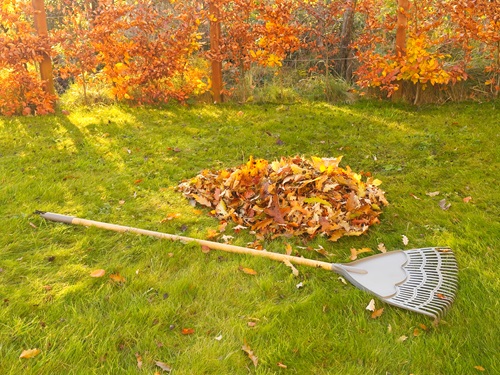
While a yard full of vibrant fall leaves might seem picturesque, they can create issues for your lawn care. Leaves obstruct sunlight and trap moisture, which can lead to problems for the grass underneath. Thus, it’s essential to regularly rake and remove leaves from your lawn. This simple task ensures that your grass receives the light it needs to thrive and helps prevent mold growth.

Proper Grass Cutting

Even as temperatures drop, you should keep your lawn mower handy. Regularly cutting your grass is vital for effective lawn maintenance. Aim to keep your grass at a height of 2.5 to 3 inches. If the grass grows too long, it can mat and become susceptible to snow mold, a common fungus.

On the other hand, cutting the grass too short can damage the root system, making it difficult for your lawn to endure the cold winter months. Therefore, maintaining the right height is crucial for healthy growth.

Consistent Watering

Another key aspect of lawn care in Conway SC is ensuring your grass receives enough water, even in the fall. Experts emphasize the importance of providing at least an inch of water per week. You can use a simple rain gauge to track rainfall and adjust your watering schedule accordingly. As temperatures drop, remember to disconnect hoses and watering systems before freezing conditions arrive to avoid damage.

residential-lawn-care-in-Conway-SC-300x200.jpg

residential lawn care in Conway SC

Fertilization for Healthy Roots

As your grass prepares for winter, it requires nourishment. Fertilization is an essential component of lawn maintenance, especially in late fall. Landscape professionals recommend using a slow-release granular fertilizer, such as a 24-0-10 blend. This formula provides essential nutrients—nitrogen, phosphorus, and potassium—that your lawn needs to survive the cold months and thrive in the spring.

Stay on Schedule

Timing is everything when it comes to effective lawn maintenance in Conway SC. Completing each task at the right time can lead to the best results. For example, if you fertilize too early or too late, tender grass blades may struggle in the cold. Therefore, keeping a lawn care calendar can help ensure that all tasks are completed at the appropriate time for optimal results.

Consider Help From Lawn Maintenance Experts

If managing all these tasks seems overwhelming, don’t hesitate to reach out to a professional lawn care service in Conway SC. They possess the expertise and equipment, such as aerators and seeders, to handle the work efficiently. By delegating some responsibilities, you can ensure that your lawn maintenance is done correctly and on time, allowing you to enjoy a lush lawn come spring.

Preparing for Next Year

As you focus on lawn maintenance this fall, remember that your efforts now will pay off in the coming year. Healthy grass that has been properly cared for will bounce back quickly in the spring, making your yard the envy of the neighborhood. Additionally, implementing these practices and hiring experts like Conway Lawn Care Service can help prevent future issues and create a sustainable lawn.

Ready to elevate your lawn maintenance game this fall? Follow these tips for a vibrant, thriving lawn next year! Call Conway Lawn Care Service now. 

Conway Lawn Care Service
Conway, SC 29526
843-353-2259
http://conwaylawncareservices.com