Friday, July 28, 2023

A Comparison of DIY Lawn Care and Professional Services


In the world of DIY, you might be tempted to take care of your lawn by yourself. It’s natural to wonder why pay for something you could do on your own, right? But before making a decision, let’s carefully consider the advantages and disadvantages of DIY lawn care compared to hiring a professional service.

Should I Do My Own Lawn Care?

Before delving into the world of DIY lawn care, there are some important factors to consider.

Advantages of DIY Lawn Care:

Saving Money (at first)

Initially, DIY lawn care may appear cost-effective, as you have the freedom to choose budget-friendly products and materials from local stores. It can be tempting to believe that handling your lawn care personally will save you money in the long run. However, it’s essential to recognize that without professional expertise, you might end up spending more on trial-and-error solutions. Persistent lawn issues may demand repeated purchases of different products, adding to your overall expenses.

Great Exercise

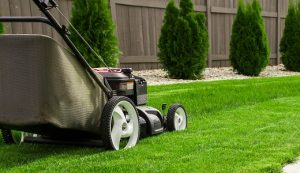
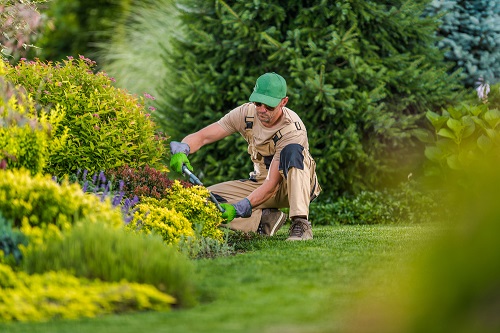
lawn-care-2-1-300x200.jpgEngaging in DIY lawn care can be a wonderful way to stay physically active and enjoy the outdoors. Mowing the lawn, raking leaves, planting, and other tasks involved in lawn maintenance provide an opportunity for you to get moving and breathe in fresh air. For those who value physical activity and outdoor time, taking care of their lawn can be a fulfilling experience.

Taking Pride in DIY Work

Many homeowners take pride in being hands-on with their lawn care. The sense of accomplishment that comes from nurturing and maintaining your green space can create a deep connection to your property. This personal touch allows you to see the direct results of your efforts, making the process rewarding on a deeper level.

Disadvantages of DIY Lawn Care:

Mediocre Results

DIY lawn care may lack the efficiency and effectiveness of professional services. Without access to high-quality, commercial-grade products and specialized knowledge, you might struggle to achieve the desired results. Certain persistent lawn issues, like stubborn weeds or lawn diseases, may require expert intervention to handle properly.

Hidden Lawn Care Costs

While DIY lawn care might seem like an economical choice, there are often hidden costs that homeowners overlook. Without professional guidance in lawn maintenance, misdiagnosing lawn problems and using improper products can exacerbate issues, leading to more significant and costly damages in the long run. The expenses associated with correcting these mistakes can add up and outweigh the initial savings.

Time-Consuming

DIY lawn care demands a significant investment of time and effort. Apart from regular tasks like mowing and watering, handling unexpected lawn issues can take up additional hours. Multiple trips to stores for supplies, researching solutions, and implementing them can be time-consuming. This commitment might become overwhelming, especially for individuals with busy schedules or limited free time.
prunning-shrubs-300x200.jpgShould I Hire a Lawn Care Company?

When it comes to lawn care, you might be contemplating the idea of hiring a professional service. Before making your decision, let’s explore the advantages and disadvantages.

Lawn Care Company Pros:

Better Results

One of the primary benefits of hiring a lawn care service is the assurance of better results. These professionals have the expertise and experience to handle various lawn issues effectively. From stubborn weeds to lawn diseases, they know which high-quality products and techniques to use for optimal results. Additionally, some lawn care companies offer guarantees on their work, providing you with added peace of mind.

Convenience

Entrusting your lawn care to professionals allows you to reclaim valuable time and effort. Instead of spending weekends toiling away in the yard, you can focus on other essential aspects of your life, whether it’s spending quality time with family, pursuing hobbies, or simply relaxing.

Solutions for Tricky Issues

Lawn care companies like Conway Lawn Care Services employ trained technicians who possess the knowledge to diagnose and solve complex lawn problems. Their expertise ensures that issues are addressed promptly and accurately, preventing potential mistakes that could lead to more significant expenses down the road.

lawn-care-2-300x200.jpgIncreased Safety

Professional lawn care companies have access to cutting-edge materials that are not always available to homeowners. These advanced products can not only produce better results but are also formulated with safety in mind. Lawn care professionals are trained to follow approved practices that protect the environment, people, and pets.

Lawn Care Company Cons:

Cost (In Some Instances)

The upfront cost of hiring a lawn care service may initially appear to be on the higher side. However, it’s essential to view it as an investment in the health and beauty of your lawn. By proactively addressing lawn issues, professionals can prevent costly mistakes, ultimately saving you money in the long run.

Making a Bad Choice

While reputable lawn care companies offer significant benefits, choosing the wrong service provider could lead to undesirable outcomes. It’s crucial to conduct thorough research and select a company that implements proactive lawn care and has an excellent track record of satisfied customers. Opting for a company solely based on lower prices may lead to ineffective results and wasted money.

Lawn Care Professionals for the Win

After weighing the pros and cons, hiring a lawn care service seems like the better choice. With their expertise and high-quality products, you can achieve a healthy and beautiful lawn without the hassle and hidden costs of DIY.

We understand the appeal of DIY lawn care, but we’ve seen many customers come to us after facing frustrations and headaches with their own efforts. Our comprehensive lawn care program ensures that every concern is addressed, preventing long-term problems and providing value in the long run.

In our opinion, the answer to “Should I do my own lawn care?” is NO. The benefits of hiring the services of a Conway lawn care expert easily outweigh the cons, and the investment in your property and quality of life is well worth it.

If you want a lush and vibrant lawn without stress, give us a call at Conway Lawn Care Service. Our dedicated team of experts will provide exceptional lawn care services that exceed your expectations. Let us take care of your lawn while you enjoy the beautiful results. Contact us now for professional lawn care services you can trust.

Like our Facebook page for more great info about lawn maintenance services.

Conway Lawn Care Service
Conway, SC 29526
843-353-2259
http://conwaylawncareservices.com/

Wednesday, July 19, 2023

Mulching Services


What is Mulching and Why is It Important?

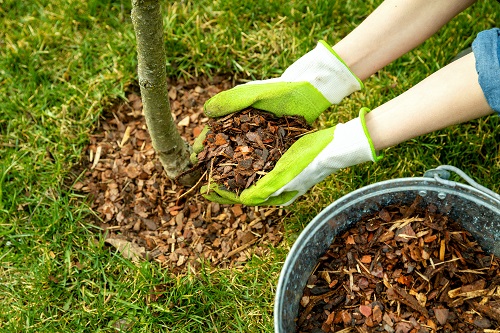
Mulching is an important process that involves applying a material on the surface of soil in your garden. Mulch thickness can range from two to four inches depending on the size and number of plants in the bed or garden. The mulch is placed over the soil layer around the plants.

Mulching is a process that has many benefits. It should be incorporated into your lawn care routine. Mulch minimizes soil compaction and prevents weed growth during rainy seasons.

Mulch assists with the conservation of water as it will retain the moisture from watering and sends more water to the roots of the plants. Mulch conserves water by retaining moisture and transferring more water to plant roots. Mulch also helps to maintain a uniform and attractive appearance for your flowerbeds and garden.

  • Mulch is a great mulch for landscaping.
  • It suppresses the growth of weeds.
  • Retains soil moisture.
  • Water evaporation is prevented (especially during the summer).
  • Keeps soil temperatures cooler and more constant.
  • It adds a decorative element to your garden and beds.

Conway Lawn Care Services will maintain your landscape to keep it beautiful throughout the year. Our mulching service can create healthy soil to grow plants and prevent weeds.

Types of Mulch We Offer

There are different types of mulch, but they can be divided into two main categories: inorganic or organic. Inorganic mulches are not as good for the soil, as organic mulches. They do not decompose and break down. Certain inorganic mulches, however, can heat the soil at night and radiate heat, which is beneficial to heat-loving vegetables and plants, like eggplant and cherry tomato.

Mulching-Services-1-300x200.jpgInorganic Mulch

These chips look fantastic in flowerbeds, gardens, pathways and shrub borders. They are not ideal for vegetable gardens and annual flowerbeds. They get in the way of digging the beds every year.

Stones are a great choice for rock gardens and cacti. They do raise soil temperatures, but they don’t help with soil health or plant development.

Organic Mulch

Grass Clippings: When grass clippings decompose, they release nitrogen and potassium. This provides more nutrients to the soil. Pests can live in them, which is one of their downsides.

Cocoa hulls contain potash, nitrogen and phosphate which are beneficial to soil. They can attract pests if they are too wet, and they may grow harmless mold in humid and hot climates.

Wood shavings can reduce your water and fertilizer usage and enhance the appearance of your lawn. Blocking airflow can cause root rot or fungus to grow.

Straw is an excellent choice for building healthy soil, and it helps regulate moisture and temperature. Some straws may contain seeds that can cause weeds to compete with water and nutrients.

Bark chips are a great option for landscapes that are drier and more stable. They absorb water well, are durable, and last longer. Bark can deplete soil nitrogen as it decomposes.

Pine straw is an option that requires little maintenance and is easy to use. It can also be used to control erosion. Pine straw can be expensive and must be replaced frequently. They can also attract pests such as mice and spiders.

You can count on mulch landscapers to maintain your garden and lawn at its best. Our guarantee is that you will receive quality mulch services every time. We’re also happy to answer your questions about our residential mulching service.

mulching-300x200.jpgProfessional Landscaping Services and Lawn Maintenance You Can Rely On

You are the owner of your home, so you should take care to maintain it. This includes regular lawn maintenance and landscaping. Proper landscaping is the best way to maintain a beautiful exterior. Healthy, well-maintained lawns and plants create curb appeal and a good first impression. These benefits are not possible without a lot of time and effort. Not everyone is able to devote the necessary time.

Conway Lawn Care Service is here to help if you would rather spend your weekend doing something else. We understand that your time is precious, so we are proud to help you keep your property looking beautiful all year round.

Find out more about our landscaping and lawn care service. Our team is dedicated, professional, caring and knowledgeable. Our customers and their needs are always our first priority and we strive to surpass expectations.

We can provide mulching services in Conway and North Myrtle Beach. Our mulch installers are able to meet your needs, whether you require a mulch top-off service or a complete installation.

Professional Services:

  • Mulch Installation
  • Landscape Mulching
  • Playground Mulching
  • Flowerbed Mulching
  • Mulch Delivery and Spreading
  • Commercial and Residential Service
  • Mulch Options are Available

Call Conway Lawn Care Service at 843-353-2259 to get a free estimate on all of your lawn and landscaping needs.

Conway Lawn Care Service
Conway, SC 29526
843-353-2259
http://conwaylawncareservices.com/

Wednesday, July 12, 2023

Pet-Friendly Methods for Eliminating Weeds from Your Yard


When weeds are a constant problem, you may feel tempted to use powerful weed killers. Unfortunately, there are many substances that can harm pets. Misuse of “eco friendly” or natural herbicides can cause injury. You could also be putting yourself at risk if you have a dog who likes to roll and dig in your garden or lawn.

Even romping through the grass with your pets can be dangerous, as they can pick up pesticides and herbicides while walking. These substances can be transferred to their fur and paws, which they could inadvertently consume while grooming.

Are you doomed to an unkempt yard if your pets are around? Not necessarily. Pet-friendly weed-killers and lawn-care techniques can help you get rid of leafy invaders while not affecting your pets’ health. What you need to do to protect your pets while fighting weeds.

You should evaluate your tolerance to weeds before you spend time, money, and effort on products that are ineffective or could be harmful for your pet. Can you tolerate a few weeds? As long as the grass is healthy, a few lawn weeds won’t be a problem. Mulching garden beds will also prevent weeds from taking control of ornamental plants.

Carefully consider the methods and materials you use to keep your garden and lawn weed free.

1. Weeding by Hand

Hand removal is the most effective method to eliminate lawn and garden weeds. The process is tedious, but the only way to eliminate the root of the plant. Both harmful and non-harmful herbicides can leave behind roots that regenerate. Dandelions, in particular have long roots.

There are many handy weeding devices on the market that can speed up the process. If your problem is sporadic or persistent weeds, then this is an effective way to eliminate them without the use of potentially harmful chemicals. Hand-weeding is best done as a regular practice. It’s also most effective when started in the spring. In the garden you can get rid of weeds by hoeing.

You can also be selective when you weed by hand. Only the plants that you wish to eliminate will be affected. Unfortunately, most herbicides that won’t harm the environment and weed-killing methods aren’t picky; they’ll kill or damage any plant they touch.

2. Smothering Weeds

weed-control-300x225.jpgWeeds, like any other plant, need sunlight to grow. If you prevent them from getting enough light, they will die. To suffocate them, you can lay down a thick (3 to 5 inch) layer of organic mulch such as pine needles or wood chips. Avoid cocoa mulch as it is toxic for dogs when eaten. The mulch lets water and air pass through, but blocks sunlight. The mulch will keep your soil healthy, as weeds or seeds that are hidden beneath it won’t be able to survive.

You can use opaque plastic sheets, cardboard layers, or carpet remnants to cover the area you wish to eliminate all plants. Keep the layers on for six weeks to effectively smother the weeds. To prevent the germination of buried weed seed, avoid tilling soil afterwards.

3. How to Use Horticultural Vinegar

Vinegar in its concentrated form can kill tender, young plants. Remember that horticultural acid is a nonselective kill, which means it will harm any plant. It’s also important to be aware of the fact that it is a strong acid. Avoid contact with your eyes, nose, and skin. Wear gardening gloves! Follow the directions on the label and keep pets away from treated areas until vinegar has dried.

This method works well for cracks on driveways and sidewalks. Don’t get discouraged if you don’t see results after the first spray. Since the horticultural vinaigrette only affects the plant tissue, it may take several applications to kill the weeds.

It may seem like using horticultural vinegar will save you money, but this is not the case. Concentrated vinegars that kill weeds are as expensive as commercial herbicides.

4. Burning or boiling Weeds

Try burning them off with a torch, or scalding with boiling water if you have weeds. Be careful not to hurt yourself! These methods will not kill established weed roots and you may need to repeat them several times throughout the summer.

5. Alternative Natural or Organic Products

Many products available in the stores contain concentrated essential oils, soaps or other natural ingredients. They are not selective weed killers, and will damage everything they touch.

Initial results showed that corn gluten meal was a promising pre-emergent weedicide. There are still downsides. The timing of the application (in spring, before weeds appear) is crucial because it does not affect established weeds. It’s also a safe weed killer for pets.

Many products work, but it takes days for them to show any results. Others require multiple applications. Follow the label instructions carefully. Don’t expect immediate or permanent results. Keep pets away from treated areas as per product directions. Even if a product claims to contain natural ingredients, your skin, nose, or eyes can be irritated.

What Not to Use

Salt, sugar, and borax are all household products that have been suggested as weed killers. However, they can be ineffective, and even damage soil. Borax, for example, will prevent the growth of desirable plant species. Salt can also cause soil chemistry to be thrown out of balance. Sugar is a pesticide that attracts all types of pests. It can even tempt your pets and wildlife to eat things they shouldn’t.

The very best weed control is to call Conway Lawn Care to schedule regular servicing of your lawn. You will safely get rid of weeds and will save time and money in the long run.

Like our Facebook page for more great info about lawn maintenance services.

Conway Lawn Care Service
Conway, SC 29526
843-353-2259
http://conwaylawncareservices.com/
Monday, July 3, 2023

Unleash the Secrets to Cultivating a Vibrant, Verdant Lawn


Escape the notion that the grass is always greener on the other side of the fence. With these five practical and innovative lawn care tips, you can transform your lawn into a lush, green oasis that rivals even the most envy-inducing yards.

Lawn Care Tips

Embrace the Art of Frequent Trims

Avoid overwhelming your grass with heavy, sporadic cuts. Instead, opt for regular, moderate mowing to maintain an impeccable lawn.

Vary your mowing pattern to prevent the grass from being consistently pushed in the same direction. Remember, never trim more than five centimetres at a time. In the summer, allow your grass to grow slightly longer, providing it with better resistance to scorching heat and dry spells.

For smaller lawns that require a quiet and manageable tool, consider an electric lawn mower. Its efficiency and ease of use make it ideal for small to medium-sized yards.

For larger areas, invest in a petrol-engine lawn mower. Its robust design and steel deck ensure strength, durability, and unwavering reliability.

Master the Art of Fertilization

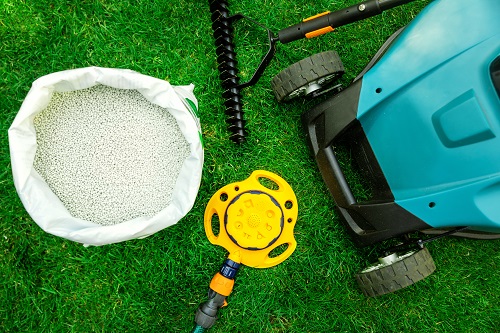
Counterbalance the stress caused by regular mowing through timely fertilization. As spring unfolds, arm yourself with the right fertilizer and nourish your grass every thirty to forty days.

With a plethora of lawn fertilizers available, opt for a mineral-based blend that includes nitrogen, potassium, and phosphorus. This combination promotes healthy growth and ensures optimal water absorption.

Follow the dosage instructions on the packaging, and remember to fertilize immediately after mowing to enhance absorption.

After fertilizing, be sure to water your lawn, aiding the dissolution of the fertilizer and maximizing its effects.

Quench Its Thirst Daily

While mowing and fertilization play crucial roles in Conway lawn care, irrigation is the real game-changer. A verdant lawn craves water, not necessarily inconsistent amounts or at fixed intervals, but enough to prevent older blades from wilting away.

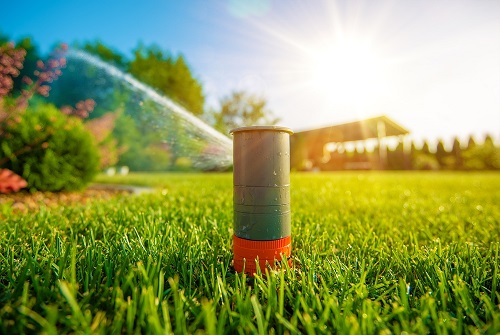
lawn-care-2-300x173.jpgAdapt your watering routine based on the outdoor temperature, humidity levels, and grass maturity. A freshly sown lawn, for example, requires daily watering to aid seed germination and encourage strong root development.

Depending on your preference, you can water manually or utilize the convenience of a small self-priming water pump, which is quiet, efficient, and perfect for tending to your garden’s thirst.

Wage War on Weeds

Are persistent weeds plaguing your lawn? Fear not. There’s something you can do.

For fully grown weeds, employ the power of a hand scarifier to remove them and prevent regrowth.

To tackle deep-rooted invaders like daisies and dandelions, arm yourself with a hoe that unearths the roots, eliminating any chance of resurgence.

If all else fails, consider targeted herbicides or even a complete soil overhaul to reclaim your lawn from unwanted intruders.

Breathe Life Into Your Lawn

Healthy roots crave oxygen. Provide your grass with the breath of fresh air it needs to thrive.

Begin by scarifying your lawn to clear away grass cuttings, dead leaves, and debris that stifle its growth. Restore its breathing space and regenerative potential.

Next, aerate the ground by creating holes with a pitchfork and filling them with coarse sand. This simple step facilitates water flow to the roots, delivering a fresh supply of oxygen.

By unlocking these lawn maintenance secrets and implementing these unique techniques, you will unleash the full potential of your lawn. Prepare to revel in a vibrant, verdant paradise right at your doorstep—a testament to your care, dedication, and green-thumb prowess.

Call Conway Lawn Care Service now if you need professional help in maintaining your lawn.

Like our Facebook page for more great info about lawn maintenance services.

Conway Lawn Care Service
Conway, SC 29526
843-353-2259
http://conwaylawncareservices.com/
Monday, June 26, 2023

Step-by-Step Guide to Lawn Care


Conway SC lawn care can get busy during the summer. Weather can be unpredictable. It could rain one day, and then scorching heat the next. Our soil is soaked from all the recent rain. You can ensure that your lawn will remain lush and green throughout the remainder of summer and fall by taking the right steps.

This step-by-step lawn care guide will help you prepare your lawn for the summer heat.

Lawn Care Tips For Summer

1. How to Get Rid of Weeds

It is inevitable that you will have a few weeds on your lawn. You can pull them by hand, or use a handheld hoe or weed eater. Be sure to remove them completely, including the roots. Use a herbicide on the weeds or apply a weed-and-feed product to your entire lawn if you have a lot of them. Dandelions can be treated with vinegar diluted. Raising the blades of your mower and watering less often can help to treat crabgrass.

2. Dethatch

The matted accumulation of organic debris between the grass blades or roots is called thatch. Thatch can lead to dead patches on your lawn, and it can also create open spaces where weeds can grow. Check your lawn for any signs of thatch. You can remove thatch with a power dethatcher or a thatching tool. Dethatching can take 3 to 4 weeks.

3. Aerate

Check your lawn for aeration. Examine the roots per 1 square foot section. Your lawn will need to be aerated if the roots do not extend deeper than two inches. Water the lawn 1 to 2 days prior to aerating. Once, use a core-aerator to aerate the lawn. Apply compost or sand to the lawn after aeration.

4. Reseeding and Over Seeding

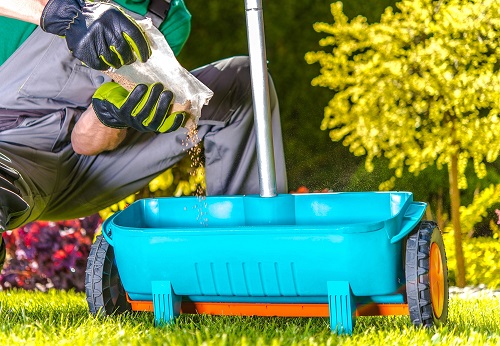
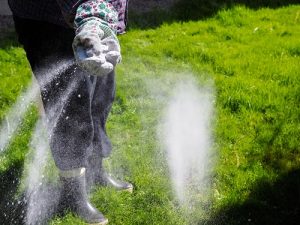
lawn-care-2-3-300x180.jpgCheck the USDA Plant Hardiness Zone Map before applying seed to your lawn. In early spring or in the fall, you can over seed your lawn with cool-season grasses (fescue, Kentucky Bluegrass, Rye) and then early summer, with warm-season grasses (Bermuda, or Zoysia). Spread the seed evenly with a broadcaster. To help the seed establish itself, water it.
5. Mow

Healthy lawns are denser and better able to resist weeds. Only remove 1/3″ of the top grass when mowing. Set the mower deck so that grass is between 2-1/2″ and 3″ high. Taller grass shades out weeds and helps prevent them from germinating. Alternate your mowing patterns by mowing with a 45-90 degree angle to your previous mowing. This will help prevent soil compaction and encourage grass to grow straight. Keep your blades sharp.

6. Water and Fertilizer

Watering grass is important, especially in times of drought or heat. Water early in the morning, when it is cooler. This will reduce evaporation. Spring is the best time to fertilize warm-season grasses. The lawn will be actively growing at this point (approximately six weeks after the last freeze). Fall fertilization is beneficial for cool-season grasses.

7. Mulch and Clean

The spring is the perfect time to remove any leaves, twigs and other debris that accumulated over winter. Trim back any dried branches from shrubs and replace the mulch.

8. Call a Professional

You can always call a professional lawn care service to maintain your lawn throughout the year.

In order to achieve a healthy, green lawn, it is important to perform the right analysis, use the correct treatment and time your treatments. Conway lawn care experts are knowledgeable in all aspects and use the latest technology for your lawn.

Request a free analysis of your lawn and start today with a professional service. Call Conway Lawn Care Service now.

Like our Facebook page for more great info about lawn maintenance.

Conway Lawn Care Service
Conway, SC 29526
843-353-2259
http://conwaylawncareservices.com/

Wednesday, June 21, 2023

What Are The Best Fertilizing tips For Summer Lawn Care?


The summer is the best time to mow your lawn. During this time, your lawn receives the most sun and traffic. It also receives less rain, and it requires more maintenance. It may seem counterproductive to fertilize your lawn during the summer. It is not what you want. But by fertilizing your lawn, you improve its quality and prevent weeds from taking hold. We have compiled some of the most important summer lawn care tips you should know.

Know when to Fertilize

Warm-season grasses are usually used to make lawns. It is best to fertilize this grass twice, once in the early summer and then again in the late summer. It is crucial to apply late summer fertilizer before August if the grass on your lawn becomes dormant in winter.

Prepare Your Lawn for Success

Aerate the soil before you fertilize your lawn. By strategically creating holes in your lawn, particularly in areas with thick thatch, you can gain access to the root system. Your lawn will benefit from your fertilization program. Aeration is necessary if the layer of thatch in an area is more than half an inch thick.

Timing is everything when it comes to the right fertilizing schedule

Water your lawn a day or two prior to fertilizer application. When temperatures are cooler, apply fertilizer in the morning or evening. Water your lawn immediately after fertilizer application. This will help the fertilizer to absorb. However, never overwater! Avoid fertilizing during a heavy rainstorm. The excess water could wash the fertilizer away, making your efforts ineffective.

There is a right way to water

To prevent evaporation, water your lawn thoroughly and regularly during cooler times of the day. Watering your lawn thoroughly will ensure that the roots grow deeper and will keep it lush. Water restrictions, rainfall, soil type, and grass type should all be considered to ensure that your lawn receives enough water but not excessively.

lawn-care-2-1-300x225.jpgUse the lawn mower as soon as possible

Maintain your lawn at its optimal height by cutting it regularly. Different types of grass have different recommendations for summer height. Follow the instructions for your lawn. Cutting the lawn regularly will maintain its appearance and discourage weed growth, as well as ensuring you get the best results from your fertilization efforts.

Grasscycling is Important

Doesn’t grasscycling mean that you are lazy and don’t want to clean up your yard? Not at all. It can be vital to maintaining a healthy lawn if done correctly. The grasscycling process is simply allowing grass clippings on your lawn after each mowing. To do this successfully, you must mow your grass regularly. Don’t let your grass clippings pile up if it gets too long. The short clippings from your regular mowing can help fertilize your lawn. In fact, up to 25% of your lawn’s fertilizer needs can be met by grasscycling.

Composting is a great way to recycle waste.

Compost is the final tip we have for lawn fertilization. Using compost is very intriguing for many homeowners, becuase they consider it an environmentally-friendly choice for their lawn care. When selecting compost, keep in mind that it should not be used during the summer. Early spring is the best time to apply it, unless you want to regrow grass in thin turf areas. Apply it with a rake, and then water it in. Compost can be a great way to replenish the nutrients that have been lost in your lawn.

Think Green Lawn Service can help you stay on top of your lawn fertilizing.

It is essential to take care of your lawn during the summer. Failing to cut or water your lawn regularly in the hot summer months may result in bald patches, browning grass, and bugs. In this case, fertilization is often neglected in favor of efforts to grow grass and eliminate pests and weeds. For warm-weather grasses, the key is to stay on top of your lawn maintenance plan.

Need help with summer lawn care? Call Conway Lawn Care Services today for more information on lawn fertilizing or to create a plan to ensure your lawn is healthy.

Like our Facebook page for more great info about lawn care services.

Conway Lawn Care Service
Conway, SC 29526
843-353-2259
http://conwaylawncareservices.com/

Wednesday, June 14, 2023

How Does Cold, Rain, Heat Affect Lawn Care Results


It would be great if your lawn could thrive in perfect conditions – 80 degrees in daytime and 60 degrees at night, with two inches of steady, soft rain every week. But the weather can throw a curveball. Dealing with Mother Nature, whether it is lawn care in the rain, hot weather or during cold seasons, is part of your job.

It can be hard to tell how much the weather affects your lawn care. You might wonder if the weather stresses your lawn or if your company uses it as an excuse to hide mediocre service and products.

We hope that by sharing some of the common effects weather can have on your lawn results; you can determine the difference between a valid reason and an excuse.

Lawn Care in Rain

Do not panic if you see rain after a lawn treatment. Contrary to popular belief, rainwater does not wash away the product. The rain actually activates the granular material that is in the soil. Even if the rain pours down, only a small amount of product will be lost due to runoff because the tiny granules are dissolved before they can wash away. The liquid weed control may take a few days to become rainfast. Rainfall is no longer a problem after that.

A good company will return to your lawn for free if it doesn’t respond to the treatment because of rain or for any other reason. You can be confident that your company will not use the weather as an excuse to avoid a problem.

Even in rainy weather, lawn care can be done. Remember that prolonged periods of excessive rain can lead to crabgrass growth. Pre-emergent products may not work as well in excessively wet springs and summers.

However, a good company will also use post-emergent crabgrass management to prevent this breakthrough. A comprehensive program from a company is the best defence against bad weather.

Also, it’s worth noting that much rain or constant humidity can cause more turfgrass diseases than normal. We see both Brown Patch and Red Thread in our area due to too much moisture. Fungi cause these two diseases, though they are different types. They grow in hot and humid conditions. If you are a lawn care professional, they will monitor your yard regularly to spot any signs of disease.

Lawn Care in Times of Drought

Rain can be a problem, but the truth is that lack of rain is more often the issue. It can be difficult for weed-control products to function well during a drought, as the weeds must be actively growing for the product’s job to be effective. The weed control product will work as the weeds grow and nutrients are transported to the roots.

In times of drought, lawn-care stress, such as that caused by chinch bugs or other surface-feeding insects, becomes more apparent. It’s because a vigorously growing lawn often hides the symptoms. A drought, on the contrary, accelerates the damage. A program in lawn care in Conway SC, focusing on prevention, can help avoid these problems.

Lawn Care in Hot Weather

When it is excessive and continues, heat can seriously damage your lawn. In hot weather, grass may wilt. Weeds can grow more easily in thin spots. Weeds do not require the same conditions as turf to grow.

The hot summers can lead to an increase in surface insects such as chinch bugs. Heat and moisture together can create an ideal breeding ground for diseases. The disease can be a threat when temperatures are consistently high, especially at night, and the days are consistently warm.

lawn-care-2-2-300x200.jpgHeat and drought combined can cause lawns to thin out or, in the worst case, not recover. Turf usually recovers after a few dry weeks, but if the conditions are hot and dry for four weeks or longer, it can be a problem.

A good lawn care service can help you get through a dry spell, even though they cannot guarantee that your lawn will be perfect during extreme weather. They will constantly monitor your lawn and let you know when additional watering is needed. You can be confident that your lawn will recover even if it shows signs of stress if you use a company focused on soil care. Microbiology will help the soil bounce back.

Lawn Care in Cold Weather

Fertilizers are ideal for stimulating root growth in the fall and early winter. Some treatments, such as weed control, are less effective when temperatures drop in December.

In the winter, temperatures below freezing slow down plant growth. This means that weed control products are less easily spread throughout plants.

For this reason, we delay the lawn care treatments until late February. We also try to finish them by early December, using the final fertilizer application, promoting root development over the winter, and an earlier spring green-up next season.

Snow mold can still occur on lawns, even though pests and diseases are not a major concern in the winter months. Snow mold can grow on lawns after long periods of snow, but it is usually not a problem. Snow mold can be prevented by clearing your lawn of all debris before the first snowfall. It grows under leaves and sticks, generating heat beneath the snow. To reduce the risk of snow mold, mowing your lawn to 2.5 inches is recommended. This will help prevent grass blades from becoming too long and matt down.

Walking on frosty grass can also cause cosmetic damage, as the marks will stay on the blades of broken grass until the spring, when they will grow back.

Accounting for weather

No lawn care program can compete with Mother Nature. Many people believe that by hiring a professional lawn care expert in Conway SC to take care of their lawn, they will never experience any problems again.

Mother Nature can humble even the best lawn care companies. Mother Nature will impose her will, and we have no control over it.

It doesn’t mean that your lawn won’t be able to handle the weather. Your lawn will survive even the most difficult times if you find a company focused on soil health and doing things right. It will be better prepared to bounce back from bad weather by giving your lawn the care it needs. If you work with a good lawn care service, even though your lawn may not be at its best during a severe drought or excessive rainfall, it will bounce back quickly from the stress.

We can help you with your lawn care. Call Conway Lawn Care Service now.

Like our Facebook page for more great info about lawn maintenance services.

Conway Lawn Care Service
Conway, SC 29526
843-353-2259
http://conwaylawncareservices.com/