Showing posts with label weedcontrol. Show all posts

Thursday, June 26, 2025

Weed Control Tips: Identify Grassy Weeds Without Ruining Your Lawn


Let’s be honest—nothing ruins the look of a beautiful lawn faster than a sudden takeover of grassy weeds. While they may blend in at first glance, these aggressive intruders are quietly stealing nutrients, water, and sunlight from your turfgrass. That’s why learning proper weed control techniques is so important if you want to protect your lawn’s health and appearance all season long.

Even though grassy weeds can look a lot like the rest of your yard, they’re far from harmless. With the right knowledge and approach, however, you can identify them early and stop them before they spread.

What Makes Grassy Weeds Different From Regular Grass?

To start with, grassy weeds are still considered weeds because they grow where you don’t want them. They often belong to the same grass family as your turf, but that doesn’t mean they’re helpful. In fact, most types of grassy weeds grow faster, compete more aggressively, and can take over large patches of lawn before you even realize what’s happening.

Because they use up the same resources your grass needs, they can make your lawn look thin, uneven, and patchy. That’s why early weed control is key—it saves you from dealing with more expensive lawn repair later.

Weed Control Starts With Proper Identification

One of the first steps in weed control in Conway SC is being able to spot grassy weeds as soon as they appear. Fortunately, you don’t need a degree in botany to get the hang of it. Just pay close attention to the time of year, growth pattern, leaf blade shape, and any unusual characteristics that stand out from your existing turf.

For example, many grassy weeds begin germinating in spring and thrive through summer. If you see fast-growing patches that are taller, broader, or a different color than the rest of your lawn, you may have a problem developing. In some cases, you might even spot flower stalks or seed heads that clearly don’t belong.

Common Grassy Weeds to Watch For

weed-control-in-Conway-SC-300x199.jpg

weed control in Conway SC

Although there are dozens of varieties, a few grassy weeds are especially notorious. Crabgrass is one of the most aggressive, forming a star-shaped sprawl that spreads fast in dry, hot weather. Foxtail is another problem plant, recognizable by its bushy seed head that looks like, you guessed it, a fox’s tail.

Then there’s quackgrass, which spreads underground using rhizomes and creates a deep, hard-to-remove root system. Annual bluegrass, on the other hand, shows up with lighter green color and small white seed heads. Even bermudagrass, often used intentionally in warm climates, becomes a weed when it starts overtaking lawns where it isn’t wanted.

Understanding which weed you’re dealing with is essential to choosing the right method of control.

How to Remove Grassy Weeds Without Damaging Your Lawn

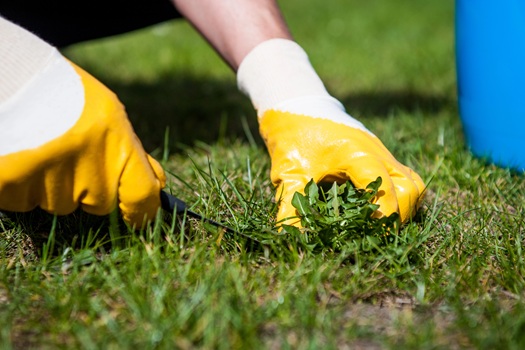
Now that you’ve identified the problem, it’s time to take action. For smaller infestations, hand-pulling weeds or using a shovel to dig up the roots can work well—especially if the weed doesn’t spread through underground stems. Just make sure you remove the entire root system, or you’ll likely see regrowth.

When manual removal isn’t enough, consider using herbicides designed for weed control. Selective herbicides are made to target specific types of weeds without harming turfgrass, but be careful—some grassy weeds are too closely related to your lawn in Conway SC, so not all products will work. Always double-check the label to ensure it’s safe for your grass type and effective against your target weed.

In extreme cases, such as when your lawn in Conway SC is mostly overtaken, non-selective herbicides may be necessary. Although this option involves killing everything in the treated area, it can give you a clean slate to reseed and restore healthy turf.

Prevent Future Weeds With Ongoing Weed Control Practices

Of course, the best approach to weed control is prevention. If your lawn is thick, healthy, and well-maintained, grassy weeds will have a much harder time finding space to grow. That’s why regular mowing, watering, and fertilizing matter so much.

In addition, tasks like aerating your soil and dethatching your yard during the appropriate seasons can significantly improve grass health. Strong, vigorous turf naturally crowds out most weeds before they take hold, saving you time and energy in the long run.

If staying on top of lawn care seems overwhelming, it may be time to bring in a team of experts. A trusted service provider like Conway Lawn Care Service can offer tailored weed control strategies, seasonal treatments, and maintenance plans that keep your yard looking its best year-round.

Because weed control isn’t just about removing what’s wrong—it’s about protecting what’s right. Your lawn deserves the same kind of care and attention you’d give any other part of your home.

Call Conway Lawn Care Service now to schedule professional weed control services and give your lawn the care it needs to stay healthy, green, and weed-free.

Like our Facebook page for more information.

Conway Lawn Care Service
Conway, SC 29526
843-602-9872
http://conwaylawncareservices.com

Areas Served: Carolina ForestMyrtle BeachNorth Myrtle BeachConwaySurfside BeachForestbrook

Monday, March 31, 2025

Weed Control: When Is the Best Time to Apply Weed Killer?


Taking care of your lawn involves a solid weed control plan, and timing plays a major role. Whether you’re trying to prevent new weeds from showing up or dealing with the ones already growing, knowing when to apply weed killer makes a big difference. Although it may seem simple, the timing actually depends on the type of weeds and your local weather conditions.

Weed Control Starts with Understanding the Seasons

It’s important to understand the growth cycle of weeds. Generally, there are two main types: annuals and perennials. Annual weeds grow in a single season, while perennials return year after year. Because of this difference, your weed control strategy needs to shift depending on what you’re dealing with and when.

Apply Pre-Emergent Weed Control in Early Spring and Fall

Pre-emergent weed control in Conway SC is your go-to if you’re trying to prevent weeds before they even sprout. These products create a barrier in the soil that stops seeds from germinating. Therefore, they work best when applied before you see any sign of weeds.

In spring, apply pre-emergent weed control early—just before temperatures consistently hit 55°F. This timing is beneficial for stopping crabgrass and goosegrass, which tend to pop up in warmer months. On the other hand, if you’re looking to block winter annuals like henbit or chickweed, apply your pre-emergent herbicide in early fall. Targeting them before they sprout’ll save you a lot of trouble later.

Why Timing Matters So Much 

Without a doubt, applying weed killer too early or too late can make it ineffective. If weeds have already broken through the soil, then pre-emergent products won’t do much. At that point, you’ll need to switch to post-emergent weed control instead.

When Post-Emergent Weed Control Works Best

Post-emergent weed killers are designed to tackle weeds after they’ve emerged from the soil. This makes them perfect for treating broadleaf weeds like dandelions and plantains. So, if you’re spotting weeds already growing, this is the time to act.

Ideally, apply post-emergent weed control in early spring or early fall in Conway SC. The weather is usually mild during these seasons, which helps the herbicide absorb effectively. For the best results, choose a calm day when temperatures range between 60°F and 80°F. Additionally, make sure there’s no rain in the forecast for the next 48 hours. That way, the product stays on the leaves and does its job.

lawn-care-in-Conway-SC-3-300x200.jpg

lawn care in Conway SC

Be Cautious About Weather and Lawn Conditions

Even though post-emergent weed control can be highly effective, applying it in the wrong conditions might cause more harm than good. Avoid using it during extreme heat, especially if temperatures are above 90°F. If your lawn is under drought stress, hold off until it recovers, as the herbicide may damage the already vulnerable grass.

Also, take extra care with newly seeded lawns. Young grass is more sensitive to chemical treatments, which is why you should wait until you’ve mowed the new lawn at least four times before applying post-emergent weed control. This simple step protects your investment and encourages healthy growth.

Know When to Use Weed Control Products Safely

As you’re planning your weed control approach, always check the label of the product you’re using. For example, if your herbicide contains dinitroaniline, it’s safe to use on established lawns. In contrast, if you just sprigged your grass, wait until it has fully rooted before applying any treatments.

For early spring maintenance, pendimethalin-based weed killers are a solid option. Just be sure you’ve already mowed your lawn a few times before using it. If you’re not sure how much to apply, start with 50% of the recommended amount. Then, you can reapply seven to ten days later if needed. This method helps avoid damaging the lawn while ensuring leftover weeds are treated properly.

Protect Yourself 

While it’s easy to focus only on the lawn, don’t forget about your safety. Before applying any weed control product, wear protective clothing. Long-sleeved shirts, long pants, gloves, and safety goggles are all essential. These precautions help you stay safe, especially when working with chemical treatments that could irritate your skin or eyes.

Build a Healthier Lawn Long-Term

Although weed control focuses on removing unwanted plants, it’s also about encouraging healthy lawn growth. A strong, thick lawn naturally crowds out many common weeds, so you’re less likely to deal with infestations in the future. Because of this, combining good lawn care practices with weed killer applications can improve your lawn’s appearance and reduce maintenance over time.

For instance, regular mowing, proper watering, and fertilizing all support thick turf growth. As a result, weeds have a much harder time taking hold. This approach not only saves you time and effort but also helps create a lawn you’ll enjoy year-round.

Keep an Eye on Local Lawn Care Timing

Depending on where you live, the right time for weed control might shift slightly. In Conway, SC, for example, spring temperatures can warm up quickly. Therefore, applying pre-emergent weed control early is key. If you’re unsure when to start, a local lawn care service can help you track soil temperatures and identify the perfect window for treatment.

Pay Attention to Persistent Weeds

Sometimes, even with proper timing, some weeds stick around. This doesn’t mean your weed control plan failed—it just means you might need to adjust your approach. For tough, established weeds, a spot treatment with post-emergent weed killer usually does the trick. Additionally, follow up with a second application if necessary.

To wrap it up, the best weed control results come from being proactive and consistent. Applying weed killer isn’t a one-time fix. Instead, it’s part of a broader lawn care strategy. By planning your treatments around seasonal growth patterns, using the right products, and paying attention to weather conditions, you’ll get much better results.

Sticking to a regular lawn care routine makes everything easier down the road. Plus, the fewer weeds you have this year, the fewer you’ll deal with next year. Call Conway Lawn Care Service now. 

Like our Facebook page for more information.

Conway Lawn Care Service
Conway, SC 29526
843-353-2259
http://conwaylawncareservices.com

Areas Served: Carolina ForestMyrtle BeachNorth Myrtle BeachConwaySurfside BeachForestbrook

Friday, September 6, 2024

Weed Control Tips This Fall for a Healthier Yard All Year


Keeping your lawn looking lush and vibrant is not just a summer task; it requires attention throughout the year. Each season brings its own challenges, and your approach to lawn care should adapt accordingly. Fall, in particular, is a crucial time for weed control.

Taking the right lawn maintenance steps now can make all the difference between a lawn overrun with weeds in the spring and one that is healthy and thriving. So, here are some effective strategies to help you manage weeds this fall and prepare your lawn for the seasons ahead.

Weed Control Tips

Control Broadleaf Weeds Before They Spread

To begin with, fall is a critical period for broadleaf weeds, which often experience what is known as a “second bloom.” These weeds, such as plantain, clover, henbit, thistle, dandelion, and chicory, are notorious for their ability to spread quickly. They are characterized by their thick, broad leaves with a central vein and a network of smaller veins.

To tackle these weeds effectively, a post-emergent broadleaf weed control treatment is essential. This lawn care treatment focuses on eliminating weeds that have already appeared, allowing your grass to absorb all the nutrients it needs to stay strong throughout the fall and winter months. By stopping these weeds now, you can prevent them from overtaking your lawn and making spring lawn care much easier.

Prevent Future Weeds with Pre-Emergent Treatments

Next, it is important to think ahead to next year. At the end of the fall, any remaining weeds will likely drop their seeds, which will lie dormant in your soil over the winter. As soon as temperatures start to rise in the spring, these seeds will germinate, quickly turning into a new crop of weeds. Therefore, applying a pre-emergent weed control spray during the fall is a wise move.

This spray creates a barrier that prevents the seeds from sprouting, effectively cutting off the next generation of weeds before they have a chance to grow. By using this approach, you give your lawn a better opportunity to thrive when spring arrives. With fewer weeds competing for sunlight, water, and nutrients, your grass can develop more robustly, ensuring a greener and healthier lawn throughout the year.

Lawn-care-in-Conway-SC-1-300x200.jpg

Lawn care in Conway SC

Combine Strategies for the Best Results

Furthermore, combining both post-emergent and pre-emergent weed control methods in Conway SC provides the most comprehensive protection for your lawn. While the post-emergent treatment targets weeds that are currently present, the pre-emergent spray prevents new ones from taking root. Together, these strategies ensure your lawn remains weed-free and vibrant both now and in the future.

Know When to Call in the Professionals

Of course, managing weeds effectively can be challenging, and sometimes calling in the professionals is the best choice. Lawn care experts bring both experience and specialized tools to the table, making it easier to deal with stubborn weeds. They can provide customized solutions tailored to the specific needs of your lawn, ensuring you get the best results.

Additionally, professional lawn care experts in Conway SC stay updated on the latest techniques and products, which can significantly improve how well your lawn resists weeds. By hiring experts, you also save time and effort, allowing you to enjoy your lawn without the constant worry of maintaining it.

Why Fall Weed Control Is Crucial

Fall might seem like a time to slow down your lawn care routine, but it is actually one of the most important times for weed management. By taking steps now, you can prevent a weed outbreak in the spring, reduce the workload during the growing season, and promote a healthier lawn that stands up to the elements all year long.

So, taking proactive steps to manage weeds in the fall and working with Conway Lawn Care Service can lead to a more vibrant lawn come spring. Don’t let weeds take over – use the strategies above to keep them in check and maintain a yard you can be proud of throughout the seasons.

Take your lawn care to the next level. Reaching out to a lawn care specialist who can guide you through the best weed control practices for your yard. Get started today, and enjoy a beautiful, healthy lawn all year round! Call Conway Lawn Care Service now. 

Conway Lawn Care Service
Conway, SC 29526
843-353-2259
http://conwaylawncareservices.com

Tuesday, May 14, 2024

Lawn Care: How To Control Weeds?


Do you want to keep a deep green and lush lawn? Then, you should know that controlling weeds should be part of your lawn care routine. And you know for a fact that it’s not something you can achieve at a single time. Birds, winds, and your lawnmower, as well as your feed, are always giving new weed seeds to your lawn. Moreover, most of these seeds will stay in the soil for as long as 50 years. And, they’ll be waiting for the perfect moment to germinate, sprout, and torment you because of their presence.

But don’t give up on your lawn maintenance routine. Achieving and keeping that perfect lawn needs some year-round attention. Also, a diligent method in spring means that you will spend more time having fun in your lawn and much less time maintaining it throughout the summer and fall seasons.

Lawn Care: What are the types of weed killers?

Pre-emergent:

The pre-emergent class, which includes pendimethalin and dithiopyr, stops all seeds from germinating, including grass seed. You must be aware that the grass deed cannot be added for six to 12 weeks following the application. Of course, you need to check the label of the product you plan to use. Additionally, another chemical, such as siduron, can stop weeds only from starting, letting grass seeds continue to germinate. But it is also more expensive and should be used sparingly.

Post-emergent:

These herbicides are entirely on a different level. You can add them as weeds start to appear on your lawn, as they should get in touch with the actively growing leaves so they can do their job. Furthermore, these herbicides are applied at different intervals during late spring through late spring until summer, as weeds enter their intense growth period.

lawn-care-2-1-300x200.jpgMany post-emergent chemicals or selective herbicides can kill only specific classes of plants in the lawn while leaving desirable turf grasses untouched during your lawn care routine. Besides, there is the non-selective option, which can kill any plant that’s growing. Almost all of them will contain a chemical that’s called glyphosate, which is an effective plant killer.


Choosing Weed Control Solutions

You need to select the appropriate weed control treatment to deal with the specific weeds that are popping up in your lawn. A lot of people are reluctant to utilize any kind of inorganic chemicals for their lawn care routine due to environmental reasons. Nevertheless, for such homeowners, there are other available organic herbicides. They range from commercial preparations to regular household vinegar. Also, they contain a mix of soaps, salts, and vinegar.

There are non-chemical alternatives for weed control, too. Likewise, some homeowners prefer environmentally safe yet effective gardening methods, which is why they look for non-chemical means of dealing with weeds. Some use corn gluten meal instead of pre-emergent lawn weed control. It comes with the same characteristics but needs to be timed carefully to be effective.

If you’re looking for expert assistance in getting rid of weeds in your lawn, don’t hesitate to reach out to a professional lawn care service in Conway SC. Additionally, they can provide tailored solutions to ensure your lawn stays lush and weed-free throughout the seasons.

Schedule an appointment with a lawn care specialist today to reclaim your green oasis. Call Conway Lawn Care Service now for more information.

Conway Lawn Care Service
Conway, SC 29526
843-353-2259
http://conwaylawncareservices.com/

Wednesday, July 12, 2023

Pet-Friendly Methods for Eliminating Weeds from Your Yard


When weeds are a constant problem, you may feel tempted to use powerful weed killers. Unfortunately, there are many substances that can harm pets. Misuse of “eco friendly” or natural herbicides can cause injury. You could also be putting yourself at risk if you have a dog who likes to roll and dig in your garden or lawn.

Even romping through the grass with your pets can be dangerous, as they can pick up pesticides and herbicides while walking. These substances can be transferred to their fur and paws, which they could inadvertently consume while grooming.

Are you doomed to an unkempt yard if your pets are around? Not necessarily. Pet-friendly weed-killers and lawn-care techniques can help you get rid of leafy invaders while not affecting your pets’ health. What you need to do to protect your pets while fighting weeds.

You should evaluate your tolerance to weeds before you spend time, money, and effort on products that are ineffective or could be harmful for your pet. Can you tolerate a few weeds? As long as the grass is healthy, a few lawn weeds won’t be a problem. Mulching garden beds will also prevent weeds from taking control of ornamental plants.

Carefully consider the methods and materials you use to keep your garden and lawn weed free.

1. Weeding by Hand

Hand removal is the most effective method to eliminate lawn and garden weeds. The process is tedious, but the only way to eliminate the root of the plant. Both harmful and non-harmful herbicides can leave behind roots that regenerate. Dandelions, in particular have long roots.

There are many handy weeding devices on the market that can speed up the process. If your problem is sporadic or persistent weeds, then this is an effective way to eliminate them without the use of potentially harmful chemicals. Hand-weeding is best done as a regular practice. It’s also most effective when started in the spring. In the garden you can get rid of weeds by hoeing.

You can also be selective when you weed by hand. Only the plants that you wish to eliminate will be affected. Unfortunately, most herbicides that won’t harm the environment and weed-killing methods aren’t picky; they’ll kill or damage any plant they touch.

2. Smothering Weeds

weed-control-300x225.jpgWeeds, like any other plant, need sunlight to grow. If you prevent them from getting enough light, they will die. To suffocate them, you can lay down a thick (3 to 5 inch) layer of organic mulch such as pine needles or wood chips. Avoid cocoa mulch as it is toxic for dogs when eaten. The mulch lets water and air pass through, but blocks sunlight. The mulch will keep your soil healthy, as weeds or seeds that are hidden beneath it won’t be able to survive.

You can use opaque plastic sheets, cardboard layers, or carpet remnants to cover the area you wish to eliminate all plants. Keep the layers on for six weeks to effectively smother the weeds. To prevent the germination of buried weed seed, avoid tilling soil afterwards.

3. How to Use Horticultural Vinegar

Vinegar in its concentrated form can kill tender, young plants. Remember that horticultural acid is a nonselective kill, which means it will harm any plant. It’s also important to be aware of the fact that it is a strong acid. Avoid contact with your eyes, nose, and skin. Wear gardening gloves! Follow the directions on the label and keep pets away from treated areas until vinegar has dried.

This method works well for cracks on driveways and sidewalks. Don’t get discouraged if you don’t see results after the first spray. Since the horticultural vinaigrette only affects the plant tissue, it may take several applications to kill the weeds.

It may seem like using horticultural vinegar will save you money, but this is not the case. Concentrated vinegars that kill weeds are as expensive as commercial herbicides.

4. Burning or boiling Weeds

Try burning them off with a torch, or scalding with boiling water if you have weeds. Be careful not to hurt yourself! These methods will not kill established weed roots and you may need to repeat them several times throughout the summer.

5. Alternative Natural or Organic Products

Many products available in the stores contain concentrated essential oils, soaps or other natural ingredients. They are not selective weed killers, and will damage everything they touch.

Initial results showed that corn gluten meal was a promising pre-emergent weedicide. There are still downsides. The timing of the application (in spring, before weeds appear) is crucial because it does not affect established weeds. It’s also a safe weed killer for pets.

Many products work, but it takes days for them to show any results. Others require multiple applications. Follow the label instructions carefully. Don’t expect immediate or permanent results. Keep pets away from treated areas as per product directions. Even if a product claims to contain natural ingredients, your skin, nose, or eyes can be irritated.

What Not to Use

Salt, sugar, and borax are all household products that have been suggested as weed killers. However, they can be ineffective, and even damage soil. Borax, for example, will prevent the growth of desirable plant species. Salt can also cause soil chemistry to be thrown out of balance. Sugar is a pesticide that attracts all types of pests. It can even tempt your pets and wildlife to eat things they shouldn’t.

The very best weed control is to call Conway Lawn Care to schedule regular servicing of your lawn. You will safely get rid of weeds and will save time and money in the long run.

Like our Facebook page for more great info about lawn maintenance services.

Conway Lawn Care Service
Conway, SC 29526
843-353-2259
http://conwaylawncareservices.com/

Wednesday, January 11, 2023

Weed Control – Killing Weeds Effectively


A growing number of people are more open to weeds. People who are open to nature’s beauty and goodness recognize the virtues of certain weeds. If you are able to tolerate a little creeping Charlie growing in your lawn, you will be rewarded with beautiful flowers and a pleasant aroma every time you mow. If you are in the majority, however, you would then take to your arsenal of weed control methods to eradicate weeds permanently.

Can You Kill Weeds Permanently?

“Permanently” can be a big word. Gardening teaches us humility. Technically, the answer is yes. But we need to ask two more questions: What do we mean by “kill weeds” and what price would you be willing to pay?

Individual weeds can be killed permanently but not the whole class. You can’t prevent weeds from growing in any open plot of fertile earth. You’ll need to use the same method that you used to get rid of individual weeds, and then you will have to do it again to eliminate any new ones.

Consider the price on two levels. First, consider whether you are willing to accept certain drawbacks in order to kill existing weeds. One example is the unwelcome side effects of chemical herbicides. Prevention comes with a price. Eternal vigilance takes time and energy.

Methods to Kill Weeds Permanently

There are both chemical and natural ways to kill weeds. Let’s not forget about hand-pulling. We also have two natural methods to kill weeds.

Soil solarization

Solarization of soil kills weeds before the seeds have a chance to grow. It targets them at the seed stage. Prepare for the procedure by thoroughly raking the area so that nothing sharp protrudes. Soak the soil. Place a sheet of clear polyethylene. You need to have sun for soil solarization to be effective. This is why June and July are great times. The plastic sheet should be kept in place for at least two months. The heat will quickly cook the weed seeds so they don’t have time to sprout.

Vinegar

In the sense that no chemicals have been added to the soil, soil solarization is considered natural. There are natural substances that plants dislike, such as weeds. Salt is one of these, but its drawbacks make it difficult to use. Vinegar is becoming a very popular lawn care ingredient. Vinegar is best for annuals. You can learn when annual weeds start to set seed so you can target them before they create a new generation. Spray when there is a chance of sunshine. Rain could wash away the vinegar before it could be effective. The real damage to the plants comes in the days following spraying when the sun hits them. Strong vinegar is the best choice as it can kill weeds better than most supermarket vinegar. Be aware of the surrounding plants to make sure you don’t accidentally take out a plant that you love!

Injecting Herbicides

Non-natural methods are also available. There are many ways to apply the chemicals. An injection may be the best option for some perennial and large weeds. Japanese knotweed, for example, produces large canes that make it easy to insert the needle of a syringe into them and then release the herbicide into the plants. This is an important feature of non-selective herbicides. It allows you to avoid putting toxic chemicals on any plants around you.

Spraying herbicides and applying granules

Herbicides are more commonly applied in granular or spray form. If you have treated your lawn with pre-emergent crabgrass herbicide in spring, then you are familiar with the latter. Spraying existing weeds with a spray can be applied to the leaves (avoid spraying during windy days).

Kill off weeds before they can grow

Prevention is the best option, especially if your goal is to be natural. Landscape fabric and mulch are two of the most common items for prevention. Landscape fabric is applied to garden areas that might be prone to weed growth. It acts as a barrier to weeds. Mulch can be added to the fabric to protect it from UV rays. Mulch can be used alone to suppress weeds.

Drawbacks

Each weed control method comes with its own drawbacks. They can take up some of your time or even pose a risk to your health. It is up to you to decide where the line falls on this spectrum. Consider your personal preferences, your health, and your plans for the future to determine if there is a drawback. Also, consider professional weed control services if you aren’t too keen on doing everything yourself.

Call Conway Lawn Care Service to get rid of those pesky weeds in your lawn once and for all.

Like our Facebook page for more great info about lawn care services.

Conway Lawn Care Service
Conway, SC 29526
843-353-2259
http://conwaylawncareservices.com/

Friday, September 16, 2022

How To Carry Out Weed Control On Lawns


Weeds are unwanted plants that steal the nutrition and minerals of the important plants and crops that are growing in your garden. And they may grow on the nutrition and food off your important plants and may hamper their growth. That’s why weed control is essential.

It is very important to protect your plants and garden from weeds through proper lawn care methods.

Weed Control Tips

Weeds grow at a much higher speed than the normal plants growing in your garden. Weed control is good lawn care in Conway method in which weeds are prevented to reach a mature stage when they can harm pets and plants.  In order to reduce the number of weeds, there are different weed control strategies that can be applied to prevent its growth.

The most common and preferred method that is applied in order to remove and destroy weeds is plowing.  Today there are many other chemicals present in the market that can help you decrease the number of weeds growing in your garden.  Herbicides are widely used in different parts of the world to control the growth of weeds.

In domestic gardens, there are different methods like covering the area of the garden with many layers of newspaper for several weeks in order to control the number of weeds.  Also, you can use a black sheet instead of a newspaper.

You keep a newspaper for seven days, it prevents the light of the sun from entering beneath and hence kills the unwanted plants.  Saturating the newspaper that you place on the ground every day helps in the decomposition of the plants that die in this process.

The dead plants also help in increasing the nutrition and minerals of the soil.  After a few weeks, you will find most of the weeds are dead and can be removed easily.  If you are using a black sheet then the greenhouse effect will help you in killing the plants and weeds beneath it.

The weeds reproduce at a much faster rate than other plants and you will be able to see that they survive most of the adverse conditions as well.  It is very important to know the kind of weeds growing in your garden so that you can easily kill them using the correct lawn maintenance method and herbicides.

One of the common techniques that are used by growers in different parts of the world is the Stale seed bed in which soil is cultivated and left for about a week.  When the seeds are germinated in the ground, there are increased chances for the growth of weeds that hampers the growth of the plants and eat up their nutrition. Stale seed bed helps in killing the weeds at the time of germination and helps in retaining the essential nutrients of the soil.

Need help with caring for your lawn? Conway Lawn Care Services can assist with mowing, weeding and hedging. Call us today to schedule your service.

Like our Facebook page for more great info about lawn maintenance.

Conway Lawn Care Service
Conway, SC 29526
843-353-2259
http://conwaylawncareservices.com/