Tuesday, March 1, 2022

Prepare For Spring Lawn Care


Your lawn will respond to the spring awakening call by nature, so make sure you provide it with the proper lawn care to ensure healthy growth. You can prepare your lawn for this year’s drought, diseases, and weeds by doing a few lawn care chores.

Spring Lawn Care Steps

Rake

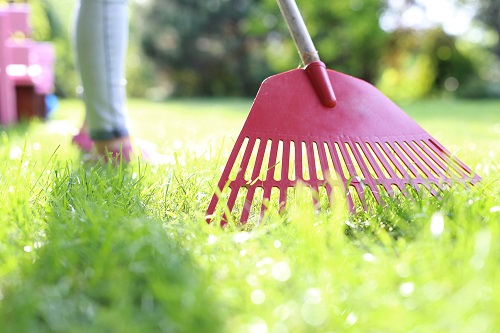
Spring raking is used to remove any lingering autumn leaves or grass blades that have not survived winter. These dead blades can cause your lawn to lose its thatch layer if left alone. Also, raking can loosen snow mold-caused clumps in your grass that can choke off new growth.

To remove dead grass, use a spring-tine or spring-tine rake that has a strong upward pull. You should not rake soil that is too soft or muddy to avoid pulling up healthy grass crowns.

Overseed

Another lawn care Conway SC tip is overseeding. Overseed lawns that are bare or lacking in nutrients. The best time to oversee warm-season grass is late spring. Cool-season grass is best when it’s cool. However, in colder areas, you can spot-seed small areas in spring to get good results. Apply a slow-release fertilizer to overseed the area. After five weeks, apply a quick release nitrogen fertilizer.

Know more about the causes and treatment of bare spots on lawns.

Aerate

Aeration is essential for healthy lawns. The soil type and the use of your lawn will determine how often you need to aerate it. Warm-season grasses should be aerated in the late spring or early summer. Cool-season varieties should be aerated in autumn. If you missed it last fall you can still tackle it in the spring. You may also reach out to lawn maintenance experts for help.

Dethatch

The best time to trim turf is in spring. For cool-season grasses, dethatch turf in the spring and warm-season grasses in the spring.

Weed

Apply pre-emergent herbicides if crabgrass is an issue in your lawn. This will prevent seeds from germinating that were dropped last summer. This application requires careful timing. Many product bags include advice on application timing. Find out about the application timing of pre-emergent herbicides and how to use them.

Warm-season lawns can be treated with broadleaf herbicides that are post-emergent. You can either dig or treat perennial weeds when they first appear in cool-season grasses, or you can try 5 In1 Weed and Feed. It pulls out Crabgrass and kills lawn weeds such as Clover and Dandelion.

Fertilize

Three weeks after the grass begins to green, add grass fertilizer for spring. This usually corresponds with the time between two and three mowings. You risk fertilizer runoff and feeding the weeds by applying lawn fertilizer too soon. Applying too early can also cause lush blade growth, even though roots might not be in their spring growth spurt yet.

Water

Regions have different requirements for spring irrigation. Mountain and arid desert regions should continue to water their lawns as they were during winter. Spring winds will build in the Southwest so you may need to increase irrigation frequency if there isn’t much rain.

Spring rains are a good way to water lawns. Do not water your grass as a way to green it up. Allow it to grow naturally, and only water if there are no rains or signs of dehydration.

Mow

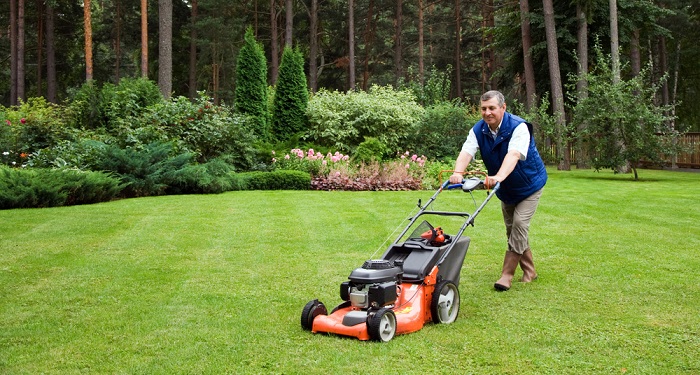
When the grass is sufficiently long to cut, and the ground is dry enough to mow, you can start mowing. You should cut at the right height for your grass type. Do not mow too low. Cut grass too short can allow sunlight to reach the soil and encourage weed seeds to germinate. This also encourages shallow root development which makes lawns more susceptible to drought stress. Learn the basics of lawn mowing. You don’t have to bag your lawn clippings.

Call Conway Lawn Care Service now if you need help in taking care of your lawn this spring.

Conway Lawn Care Service
Conway, SC 29526
843-353-2259
http://conwaylawncareservices.com/

Prepare For Spring Lawn Care

lawn-care-300x200.jpgYour lawn will respond to the spring awakening call by nature, so make sure you provide it with the proper lawn care to ensure healthy growth. You can prepare your lawn for this year's drought, diseases, and weeds by doing a few lawn care chores.

Spring Lawn Care Steps

Rake Spring raking is used to remove any lingering autumn leaves or grass blades that have not survived winter. These dead blades can cause your lawn to lose its thatch layer if left alone. Also, raking can loosen snow mold-caused clumps in your grass that can choke off new growth. To remove dead grass, use a spring-tine or spring-tine rake that has a strong upward pull. You should not rake soil that is too soft or muddy to avoid pulling up healthy grass crowns. Overseed Another lawn care Conway SC tip is overseeding. Overseed lawns that are bare or lacking in nutrients. The best time to oversee warm-season grass is late spring. Cool-season grass is best when it's cool. However, in colder areas, you can spot-seed small areas in spring to get good results. Apply a slow-release fertilizer to overseed the area. After five weeks, apply a quick release nitrogen fertilizer. Know more about the causes and treatment of bare spots on lawns. Aerate Aeration is essential for healthy lawns. The soil type and the use of your lawn will determine how often you need to aerate it. Warm-season grasses should be aerated in the late spring or early summer. Cool-season varieties should be aerated in autumn. If you missed it last fall you can still tackle it in the spring. You may also reach out to lawn maintenance experts for help. Dethatch The best time to trim turf is in spring. For cool-season grasses, dethatch turf in the spring and warm-season grasses in the spring. Weed Apply pre-emergent herbicides if crabgrass is an issue in your lawn. This will prevent seeds from germinating that were dropped last summer. This application requires careful timing. Many product bags include advice on application timing. Find out about the application timing of pre-emergent herbicides and how to use them. Warm-season lawns can be treated with broadleaf herbicides that are post-emergent. You can either dig or treat perennial weeds when they first appear in cool-season grasses, or you can try 5 In1 Weed and Feed. It pulls out Crabgrass and kills lawn weeds such as Clover and Dandelion. Fertilize Three weeks after the grass begins to green, add grass fertilizer for spring. This usually corresponds with the time between two and three mowings. You risk fertilizer runoff and feeding the weeds by applying lawn fertilizer too soon. Applying too early can also cause lush blade growth, even though roots might not be in their spring growth spurt yet. Water Regions have different requirements for spring irrigation. Mountain and arid desert regions should continue to water their lawns as they were during winter. Spring winds will build in the Southwest so you may need to increase irrigation frequency if there isn't much rain. Spring rains are a good way to water lawns. Do not water your grass as a way to green it up. Allow it to grow naturally, and only water if there are no rains or signs of dehydration. Mow When the grass is sufficiently long to cut, and the ground is dry enough to mow, you can start mowing. You should cut at the right height for your grass type. Do not mow too low. Cut grass too short can allow sunlight to reach the soil and encourage weed seeds to germinate. This also encourages shallow root development which makes lawns more susceptible to drought stress. Learn the basics of lawn mowing. You don't have to bag your lawn clippings.

Call Conway Lawn Care Service now if you need help in taking care of your lawn this spring.

Conway Lawn Care Service Conway, SC 29526 843-353-2259 http://conwaylawncareservices.com/  

http://conwaylawncareservices.com/prepare-for-spring-lawn-care/

Wednesday, February 23, 2022

Conway Lawn Maintenance Guide


Recurring upkeep and tracking are essential for a green and lasting yard. Normal upkeep can additionally help in protecting against parasites. Upkeep throughout the growing period generally consists of watering, weeding, and feeding. Maintaining logs of what is grown, volunteer involvement, as well as finished jobs, will certainly assist with keeping track of the normal tasks in the yard. Long-lasting lawn maintenance will certainly consist of having a strategy in place throughout holiday breaks.
Lawn Maintenance Guide

There are 4 primary areas in this phase:

1. Watering
Depending on the climate and kind of yard, watering will certainly be an everyday task once the plants are grown right into the lawn. Throughout heat, plants might require to be sprinkled more than once each day. Plants usually need an inch of water weekly and seedlings require more water. To minimize dissipation, water the soil straight, not the leaves.

Plants are typically watered until the soil looks damp externally, yet that may not suffice. After sprinkling, examine the wetness of the soil by jabbing a finger an inch right into the soil. If the soil around the roots of the plant is still completely dry, give it a little more water. There are a variety of devices offered for sprinkling the yard. Sprinkling canisters, as well as yard hose pipes, are the least costly choices, yet they are extra labor extensive and call for close surveillance. Other alternatives consist of drip watering and even automatic sprinkler. These alternatives alleviate the job of watering, yet are much more pricey.

To keep a healthier yard as well as reduced water expense, think about the ideas listed below:

  • Construct excellent dirt with dirt modifications like garden compost
  • Group plants with each other according to their sprinkling requirements
  • Select the ideal watering system for the yard and also spending plan

2. Weeding

It is not simply the appearance of weeds that is the problem; they can really hurt the health of your plants. Weeds compete for the very same sources, sunshine, water and also nutrients from the soil that plants require for development as well as manufacturing. If a weed shows up, remove it! To stay clear of a harder job in the future, get rid of weeds routinely while they are still small to avoid them from creating deep roots. This is a fantastic lawn care job that kids can take part in.

To lessen weeds growing in the yard, put cardboard or old paper around or in between plants to offer an obstacle for weeds. Make sure to put compost, yard trimmings, or various other natural products in addition to the cardboard or paper.

Placing compost in addition to the dirt will help in maintaining the dampness in and keeping weeds out. Include neglected and also chemical-free products such as lawn cuttings, leaves or straw to the yard. This presents even more raw material to the dirt, aids keep the wetness material of the dirt as well as maintains the plants extra hydrated in between waterings.

3.Managing Pests

Pests are an all-natural component of a yard. Pests carry out work like cross-pollinating plants, reusing nutrients and also consuming various other bugs. Regularly, check out plants to ensure they are free from pests. Make use of the Conway lawn maintenance suggestions to manage undesirable parasites in the yard.

  • Plant the yard with sufficient area for air movement around plants to stay clear of fungal diseases.
  • Put a fencing or various other safety obstacles (weed towel or row covers) around the plants throughout the starting phases of the yard to keep parasites away.
  • Get rid of parasites or any kind of dead or infected plants.
  • Grow plants fit for the place of the yard.
  • Grow plants that will certainly bring in advantageous pests and also worms

4. Fertilizing
Prior to including plant food to urge growth, a soil examination needs to be finished. Make use of the results from this test as well as the instructions on the tag of the plant food to use it appropriately in your yard. If you have a garden compost system, include it to the yard at the beginning of the period and work it right into the dirt.

Follow these lawn care tips for a healthy and green yard. You can call Conway Lawn Care Service.

Conway Lawn Care Service
Conway, SC 29526
843-353-2259
http://conwaylawncareservices.com/

Tuesday, February 22, 2022

Conway Lawn Maintenance Guide

lawn-maintenance-300x161.jpgRecurring upkeep and tracking are essential for a green and lasting yard. Normal upkeep can additionally help in protecting against parasites. Upkeep throughout the growing period generally consists of watering, weeding, and feeding. Maintaining logs of what is grown, volunteer involvement, as well as finished jobs, will certainly assist with keeping track of the normal tasks in the yard. Long-lasting lawn maintenance will certainly consist of having a strategy in place throughout holiday breaks.

Lawn Maintenance Guide

There are 4 primary areas in this phase: 1. Watering Depending on the climate and kind of yard, watering will certainly be an everyday task once the plants are grown right into the lawn. Throughout heat, plants might require to be sprinkled more than once each day. Plants usually need an inch of water weekly and seedlings require more water. To minimize dissipation, water the soil straight, not the leaves. Plants are typically watered until the soil looks damp externally, yet that may not suffice. After sprinkling, examine the wetness of the soil by jabbing a finger an inch right into the soil. If the soil around the roots of the plant is still completely dry, give it a little more water. There are a variety of devices offered for sprinkling the yard. Sprinkling canisters, as well as yard hose pipes, are the least costly choices, yet they are extra labor extensive and call for close surveillance. Other alternatives consist of drip watering and even automatic sprinkler. These alternatives alleviate the job of watering, yet are much more pricey. To keep a healthier yard as well as reduced water expense, think about the ideas listed below:
  • Construct excellent dirt with dirt modifications like garden compost
  • Group plants with each other according to their sprinkling requirements
  • Select the ideal watering system for the yard and also spending plan
2. Weeding It is not simply the appearance of weeds that is the problem; they can really hurt the health of your plants. Weeds compete for the very same sources, sunshine, water and also nutrients from the soil that plants require for development as well as manufacturing. If a weed shows up, remove it! To stay clear of a harder job in the future, get rid of weeds routinely while they are still small to avoid them from creating deep roots. This is a fantastic lawn care job that kids can take part in. To lessen weeds growing in the yard, put cardboard or old paper around or in between plants to offer an obstacle for weeds. Make sure to put compost, yard trimmings, or various other natural products in addition to the cardboard or paper. Placing compost in addition to the dirt will help in maintaining the dampness in and keeping weeds out. Include neglected and also chemical-free products such as lawn cuttings, leaves or straw to the yard. This presents even more raw material to the dirt, aids keep the wetness material of the dirt as well as maintains the plants extra hydrated in between waterings. 3.Managing Pests Pests are an all-natural component of a yard. Pests carry out work like cross-pollinating plants, reusing nutrients and also consuming various other bugs. Regularly, check out plants to ensure they are free from pests. Make use of the Conway lawn maintenance suggestions to manage undesirable parasites in the yard.
  • Plant the yard with sufficient area for air movement around plants to stay clear of fungal diseases.
  • Put a fencing or various other safety obstacles (weed towel or row covers) around the plants throughout the starting phases of the yard to keep parasites away.
  • Get rid of parasites or any kind of dead or infected plants.
  • Grow plants fit for the place of the yard.
  • Grow plants that will certainly bring in advantageous pests and also worms
4. Fertilizing Prior to including plant food to urge growth, a soil examination needs to be finished. Make use of the results from this test as well as the instructions on the tag of the plant food to use it appropriately in your yard. If you have a garden compost system, include it to the yard at the beginning of the period and work it right into the dirt.

Follow these lawn care tips for a healthy and green yard. You can call Conway Lawn Care Service.

Conway Lawn Care Service Conway, SC 29526 843-353-2259 http://conwaylawncareservices.com/

http://conwaylawncareservices.com/guide-conway-lawn-maintenance/

Lawn Care Guide For Cool Season Lawns


Making sure that your timing is right when doing your lawn care tasks is crucial to growing and maintaining an attractive and healthy lawn. Cool season lawn grasses like perennial ryegrass or the fine and tall fescues grow well in the northern regions and their growth peaks during cooler temperatures and a lot of moisture during fall and spring.

With this monthly guide, you will be able to remain on top of the cool season lawn care and make sure that your landscaping looks good all year round. Weather conditions affect lawns but they differ from one year to another.

Seasonal changes move through a place over a few weeks. So always check your lawn and local weather conditions first. But you can always refer to this Conway lawn care guide.

Month to Month Lawn Care Guide

January – carefully use de-icing salts; the accumulation of salt in the soil could lead to damages not only for the grass but other plants as well. Prepare your mower and other lawn tools. Avoid vehicle and foot traffic on the frozen grass.

February – test the soil, when due, any time it is not overly wet or frozen. Flush pet stressed or salt impacted areas with water once the soil thaws enough and water can move through it easily.

March – rake the lawns to get rid of dead grass and debris once the snow recedes and the soil and grass are fairly dry. Raking will help fight snow mold as well as other fungal lawn diseases by boosting the air circulation and by releasing moisture that’s been trapped.

April – begin mowing once you notice indications of growth. But be sure to move a bit shorter than the normal heights when you are mowing. Get rid of the clippings from the first couple of mowings, in case there’s fungal disease.  Be sure to reapply a preemergent herbicide and fix bare lawn spots.

May – mow at suggested height and you can leave the clippings on your lawn. You should spot treat any tough weed and fertilize the lawn based on the results of the soil test.

June – established lawns must be given 1 inch of water every week and raise the mowing heights to about four inches.

July – Don’t forget to treat any destructive grub as well as other turf pests. Newly hatched, small grubs will feed on grass roots close to the surface. Keep taller grass heights during the summer heat.

August – test the soil if required and be sure to aerate the compacted soil. You should prevent or fortify thinning Conway lawns. Seed any new lawn.

September – be sure to fertilize your cool season grasses and treat any post emergent broadleaf weeds. Lower the mower blades gradually.

October – add soil amendments like lime, based on the soil test results. Collect any fallen leaves or mulch and be sure to cut back on supplemental watering.

November – continue mowing until the grass no longer grows and continue watering when required.

December – clean and then winterize the lawn mower as well as your other lawn tools.

Call Conway Lawn Care Service if you need help in preparing your lawn for the colder winter season.

Conway Lawn Care Service
Conway, SC 29526
843-353-2259
http://conwaylawncareservices.com/

Lawn Care Guide For Cool Season Lawns

lawn-care-1-300x221.jpgMaking sure that your timing is right when doing your lawn care tasks is crucial to growing and maintaining an attractive and healthy lawn. Cool season lawn grasses like perennial ryegrass or the fine and tall fescues grow well in the northern regions and their growth peaks during cooler temperatures and a lot of moisture during fall and spring. With this monthly guide, you will be able to remain on top of the cool season lawn care and make sure that your landscaping looks good all year round. Weather conditions affect lawns but they differ from one year to another. Seasonal changes move through a place over a few weeks. So always check your lawn and local weather conditions first. But you can always refer to this Conway lawn care guide.

Month to Month Lawn Care Guide

January – carefully use de-icing salts; the accumulation of salt in the soil could lead to damages not only for the grass but other plants as well. Prepare your mower and other lawn tools. Avoid vehicle and foot traffic on the frozen grass. February – test the soil, when due, any time it is not overly wet or frozen. Flush pet stressed or salt impacted areas with water once the soil thaws enough and water can move through it easily. March – rake the lawns to get rid of dead grass and debris once the snow recedes and the soil and grass are fairly dry. Raking will help fight snow mold as well as other fungal lawn diseases by boosting the air circulation and by releasing moisture that’s been trapped. April – begin mowing once you notice indications of growth. But be sure to move a bit shorter than the normal heights when you are mowing. Get rid of the clippings from the first couple of mowings, in case there’s fungal disease.  Be sure to reapply a preemergent herbicide and fix bare lawn spots. May – mow at suggested height and you can leave the clippings on your lawn. You should spot treat any tough weed and fertilize the lawn based on the results of the soil test. June – established lawns must be given 1 inch of water every week and raise the mowing heights to about four inches. July – Don’t forget to treat any destructive grub as well as other turf pests. Newly hatched, small grubs will feed on grass roots close to the surface. Keep taller grass heights during the summer heat. August – test the soil if required and be sure to aerate the compacted soil. You should prevent or fortify thinning Conway lawns. Seed any new lawn. September – be sure to fertilize your cool season grasses and treat any post emergent broadleaf weeds. Lower the mower blades gradually. October – add soil amendments like lime, based on the soil test results. Collect any fallen leaves or mulch and be sure to cut back on supplemental watering. November – continue mowing until the grass no longer grows and continue watering when required. December – clean and then winterize the lawn mower as well as your other lawn tools.

Call Conway Lawn Care Service if you need help in preparing your lawn for the colder winter season.

Conway Lawn Care Service Conway, SC 29526 843-353-2259 http://conwaylawncareservices.com/

http://conwaylawncareservices.com/lawn-care-guide-cool-season-lawns/

Thursday, February 10, 2022

Find The Perfect Lawn Care Professional For You

lawn-care-300x200.jpgHave you always wanted to have a professionally maintained and landscaped yard but have always been apprehensive about hiring a lawn care professional? Let’s make your choice a bit easier by reading this. Choosing to hire a landscaping contractor is a clever choice. Next, your time, budget plan and an effectively outlined strategy are points to think about. You should also be looking for the most efficient professional landscape service provider readily available that could remain within your spending plan but do appropriate work. You do not desire an “ordinary work” that you see in other places in your community, yet one that you have actually pictured and fit your certain requirements.

Choosing The Perfect Lawn Care Professional

If you chose to proceed with your landscaping project, you need to begin with a well thought-out strategy. Write down these strategies and determine the requirements and demands of the task. A landscape that you imagined is totally feasible and will certainly bring terrific enjoyment. Set A Budget Any project requires you to prepare your spending plan.
  • Will your desire yard be possible?
  • Is it sensible or do you should make some modifications and/or concessions?
The very best point is that you know just what you desire and you have the ability to determine choices if your budget plan cannot fit your vision. Having a strategy, budget plan, as well as schedule for your landscape job will certainly make it less complicated for you to bargain with your landscape service provider. He is your useful partner in making certain that this task will fulfill your spending plan as well as guarantee that your yard will look exactly like what you pictured. Lawn Care Professional Musts
  • landscape specialist could do lots of works for you. See to it you recognize exactly what help you desire from him. If you want to operate in the yard as well as intend to do several of the jobs on your own, inform your service provider concerning it and also collaborate with him to ensure that he will certainly understand just what is expected of him. This will certainly make the job more economical.
  • Be sure that you have determined exactly what you design you wanted in your lawn. This must remain in your primary strategy before talking with a lawn care professional. Let him know that you certainly value his expert knowledge and also input. This will make him feel at ease.
  • Know the landscape service company that you are getting in touch with and discuss with them your concerns. Determine their degree of experience and job quality they render by requesting for images or scenic tours of their previous jobs. You ought to likewise request for recommendations and also their expert associations.
  • Ensure that the company is legitimate and has the necessary papers to operate. Every little thing you agreed upon has to remain in ‘black and white’. Never ever leave without a written agreement!

Do all these points and also you will certainly be guaranteed that your lawn care professional and landscape design will be exactly how you pictured it to be. 

Conway Lawn Care Service Conway, SC 29526 843-353-2259 http://conwaylawncareservices.com/

http://conwaylawncareservices.com/find-lawn-care-professional/